- Details
- By Chez Oxendine
- Gaming
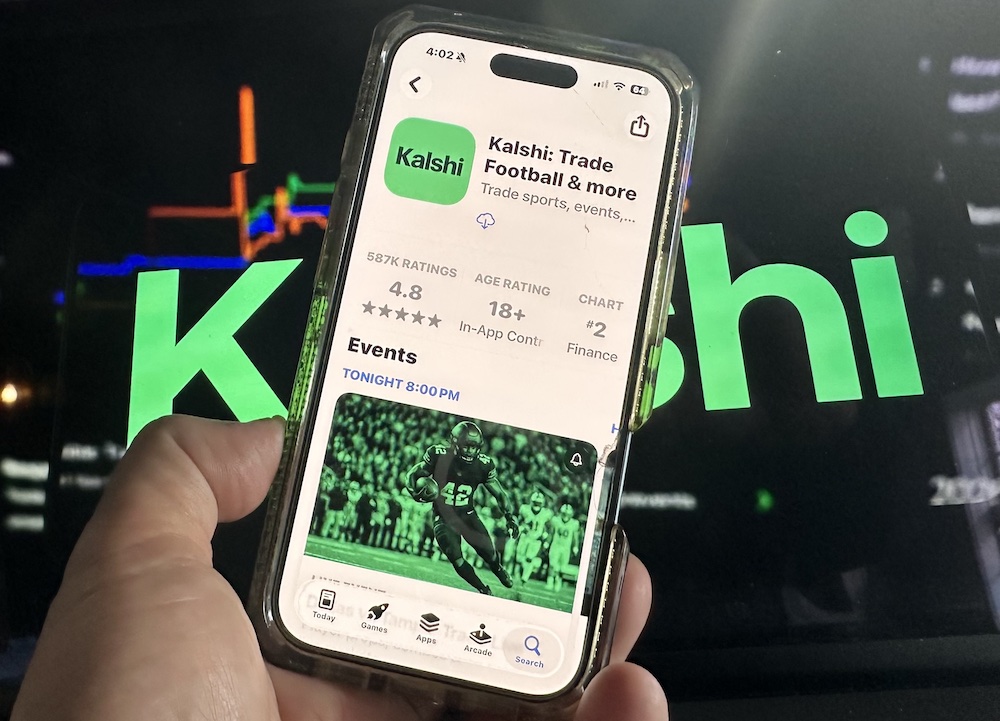
Four tribal nations are partnering with prediction-market operator KalshiEX LLC to develop new revenue sources, breaking with tribal gaming operations fighting the company’s sports-event contracts in court and before federal regulators.
The Alabama‑Quassarte Tribal Town in Oklahoma and three California tribes — Greenville Rancheria, Kletsel Dehe Wintun Nation and the Alturas Indian Rancheria — announced the partnerships on Oct. 7. They join the Tunica-Biloxi Tribe of Louisiana, which announced its Kalshi-powered venture, SaltTrade Derivatives, in September.
Each tribe will own its app and control its brand and customer relationships, while Kalshi operates the underlying federally regulated exchange, according to the company.
The deals widen a split over whether prediction markets offer tribes an economic opportunity or threaten gaming businesses that fund tribal government services. Kalshi says its sports-event contracts fall under federal financial regulation. Tribal gaming organizations argue they are Class III gaming subject to the Indian Gaming Regulatory Act and tribal-state compacts.
The new partnerships give participating tribes a stake in the industry, even as other tribal nations seek to restrict it. Supporters say tribal sovereignty includes the right to pursue new revenue sources; opponents say prediction markets undermine tribal gaming rights and tribal-state compacts.
“Geography has kept many tribes from sharing in the prosperity that gaming created,” Alabama-Quassarte Chief Wilson Yargee said in Kalshi’s announcement. “Prediction markets offer an opportunity to reach beyond those limits and build revenue for our people. We will respect every other tribe’s authority on its land, and we expect the same respect for our authority to make this decision.”
Alabama-Quassarte plans to launch PokkeTrades. Michael Stopp, the tribe’s vice president of economic development, said the venture offers an opportunity for tribes whose geography has limited revenue generation.
The Kletsel Economic Development Authority, the economic development arm of the Kletsel Dehe Wintun Nation, plans to launch Sovereign Edge. The nation does not operate a casino, according to the announcement. Authority CEO Eric Wright said the digital venture could provide revenue to support tribal citizens without investment in land and infrastructure required for a casino.
Greenville Rancheria’s platform, Greenville, and Alturas Indian Rancheria’s AIR Markets venture are also intended to support long‑term economic development, according to statements included in the announcement.
Tribal gaming organizations opposed the Tunica‑Biloxi partnership when it was announced in September. The California Nations Indian Gaming Association called the Louisiana nation’s decision “profoundly disappointing,” citing a recent federal appeals court ruling and warning that prediction‑market expansion could undermine existing tribal‑state compacts.
Ryan Butler, senior editor at Covers, said the divide reflects long‑standing differences between large gaming nations and smaller, land‑poor nations seeking new revenue sources. He said the partnerships resemble early sports‑betting arrangements in which smaller nations pursued deals that larger operators rejected.
“Overall, prediction markets are honestly booming,” Butler said. “You can see the revenue potential there, and you can see the motivation for smaller tribes to make this move.”
Butler said the partnerships are unlikely to shift the broader legal fight over sports‑event contracts in states such as California and Oklahoma, where gaming disputes remain tied to sovereignty and compact rights. He said the larger regulatory questions will continue to shape how prediction markets operate in tribal jurisdictions.
“These deals in particular with small gaming tribes are not huge needle movers in and of themselves,” Butler said. “But prediction markets offering sports event contracts across California and Oklahoma is definitely a mover. Having platforms already operating and partnered with member tribes is one more element in an incredibly complex, ongoing conversation about legalizing sports betting.”
Butler said upcoming gubernatorial and legislative changes in both states could influence future debates, adding that tribal positions will remain central to any policy shift.
“There are a lot of complex moving pieces with this,” Butler said. “Tribal gaming is just one piece of ongoing debates about gaming overall, prediction markets, and their legality.”