


- Details
- By Devon Tungovia
- Sponsored Storytelling
Tribal nations built a $46.2 billion gaming industry. Preparing more Native professionals to lead it will require education, mentorship and real opportunities to advance.
Tribal gaming is one of the largest economic engines in Indian Country. In fiscal 2025, tribal gaming operations generated a record $46.2 billion in gross gaming revenue, according to the National Indian Gaming Commission. The total was compiled from audited financial statements submitted by 545 gaming operations owned by nearly 250 tribal governments in 29 states.
These numbers show the scale of the industry, but they also highlight something deeper. Tribal enterprises are not just businesses. They are expressions of sovereignty, cultural responsibility and long-term community planning. Because of that, Native leadership in tribal gaming must become a priority.
Tribes built this industry. Native people should help guide where it goes next.
This is not a criticism of the many non-Native professionals who have contributed to Indian gaming operations. It is a reminder that tribal nations need Native leadership at every level, especially in the executive suite. When the people making decisions understand a Nation’s culture and the responsibility that comes with sovereignty, they can make decisions grounded in that Nation’s values and long-term goals.
Many tribal casinos are located in rural areas with smaller labor pools, which means operators often hire non-Native professionals to fill specialized positions. At the same time, tribes need to prepare more Native employees to fill those positions.
The industry needs a stronger pathway of Native professionals with the education and experience to move into tribal casino management and executive positions. That won’t happen on its own. Tribes need to make developing Native leadership development a priority.
Why Native Leadership Matters
Tribal enterprises fund healthcare, education, housing, infrastructure, cultural preservation and government operations. When leadership is disconnected from Tribal culture and long term priorities, the enterprise can drift away from its purpose.
Native leaders can strengthen cultural alignment, community accountability and sovereignty. It also strengthens regulatory independence which is essential in Tribal gaming.
The Yuhaaviatam of San Manuel Nation offers one example of what that commitment can look like. In 2020, the Nation committed $9 million to UNLV to support courses, faculty and programs focused on tribal gaming, hospitality and law. That commitment was not simply a gift to a university. It was an investment in preparing Native people to lead tribal governments and enterprises.
At the time, Chairwoman Lynn Valbuena said gaming had helped the Nation meet its economic development goals, but the industry could not reach its full potential without preparing Native people to manage those enterprises. The investment, she said, was to educate and prepare the tribe’s children, grandchildren and future generations to chart a path to a sustainable future.
Building the Native Leadership Pathway
Education is one place to begin.
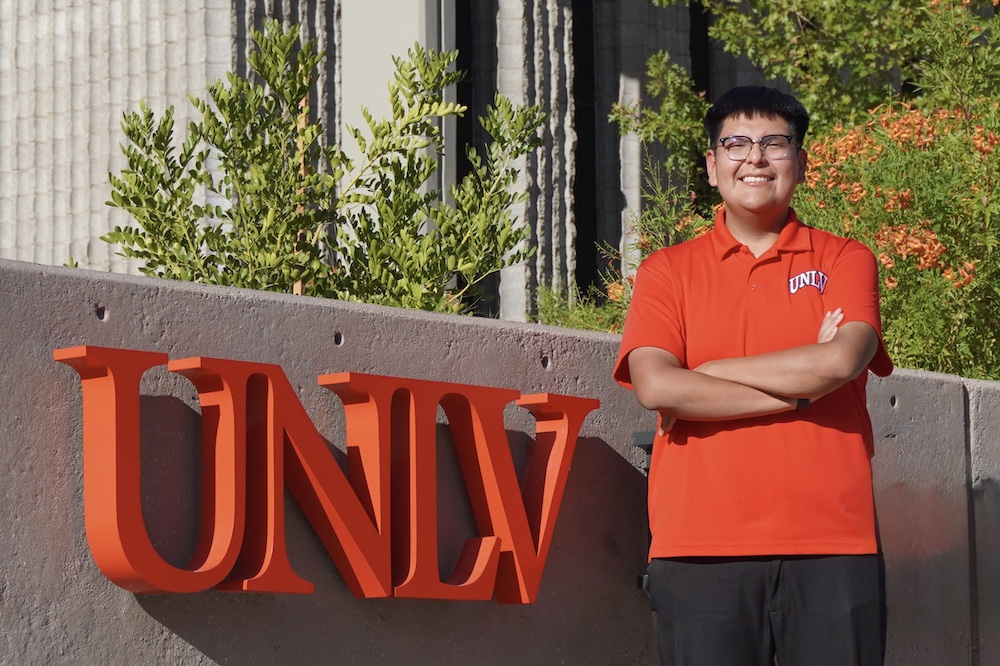
As a Native student and proud graduate of UNLV’s William F. Harrah College of Hospitality, the highest-ranked U.S. hospitality and leisure management program in the QS World University Rankings by Subject, I am part of a growing movement of Native professionals preparing to serve in leadership roles in tribal enterprises. UNLV’s tribal programs have supported my education and helped me develop the skills needed to serve in those positions.
UNLV’s programs — including the Indian Nations Gaming & Governance Program and the Tribal Education Initiative — are designed to support Native students and prepare them for tribal gaming careers in operations, hospitality management, regulatory agencies and tribal governments. These programs are not just academic. They are investments in tribal self-determination.
Native students who pursue hospitality, law, gaming and governance are gaining the skills to run large-scale enterprises, manage complex operations and protect sovereignty through strong regulatory systems.
But tribal gaming education alone is not enough. Native professionals also need mentorship, practical experience and opportunities to advance.
The Path Forward
The Indian gaming industry is entering a new era. As properties expand, diversify and modernize, the demand for trained professionals who understand both the business and the communities they serve is rising.
To expand Native leadership, tribal nations and gaming enterprises should invest in Native education, mentorship programs and Native executive leadership training. Native employees should be given the experience and opportunities needed to compete for management roles. Tribal governments should support strong, independent regulatory systems and create clear pathways for Native professionals to reach decision-making positions.
That means offering tuition assistance, paid internships and management training. It means pairing Native employees with experienced mentors and giving them opportunities to work across departments. It also means creating succession plans before senior positions become vacant.
Partnerships with universities like UNLV should continue to grow, because these programs are already producing Native leaders who are ready to step in. Those partnerships can connect Indian gaming professionals with education with internships, mentorship and employment. But tribal nations and gaming enterprises must complete that bridge by giving Native students and employees real opportunities to advance.
Devon Tungovia (Hopi) is outreach coordinator for the Indian Nations Gaming & Governance Program and a candidate for a master’s degree in hospitality management from UNLV’s William F. Harrah College of Hospitality. He expects to graduate in 2027.
DISCLOSURE: This article is sponsored content created by Native Story Lab for the Indian Nations Gaming & Governance at UNLV’s Boyd School of Law. It was created and published as part of a paid partnership and was not reported by the Tribal Business News editorial team.