


Energy | Environment
- Details
- By Chez Oxendine
- Energy | Environment
- Type: Default
- Paywall Status: Protected
- Reader Survey Question: No Question
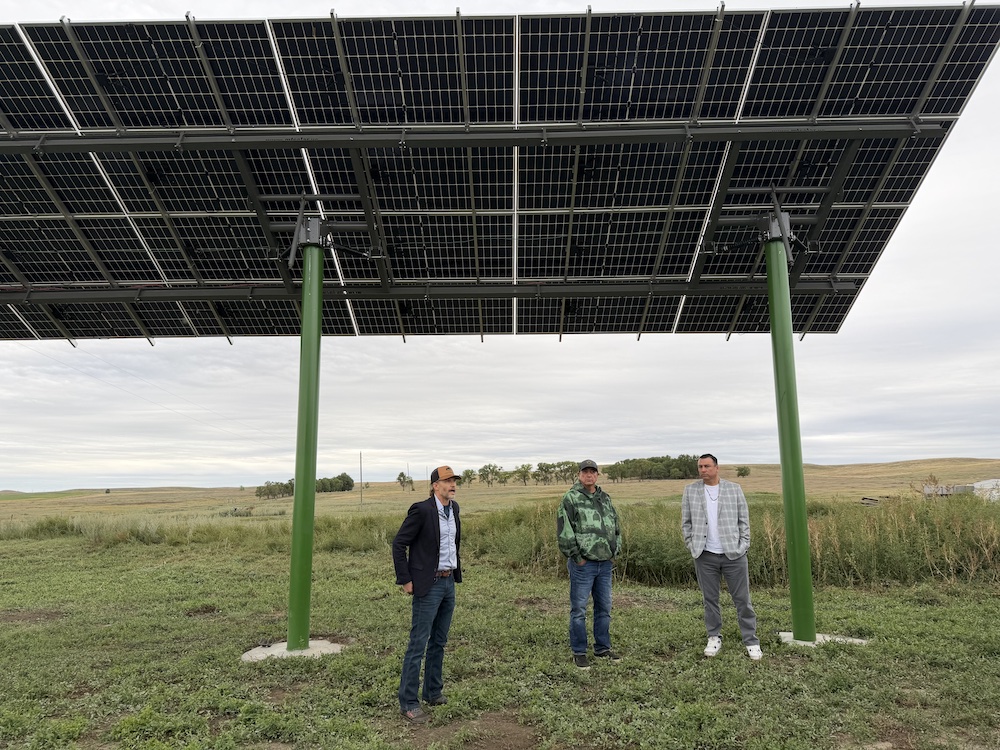
At Wózu Inc.’s buffalo barn on the Standing Rock Reservation, staff relied on generators to keep treating animals and quarantining calves after the power was disconnected. Now, a solar and battery system powers the barn and provides shade for the herd.
- Details
- By Tribal Business News Staff
- Energy | Environment
- Type: Default
- Paywall Status: Protected
- Reader Survey Question: No Question
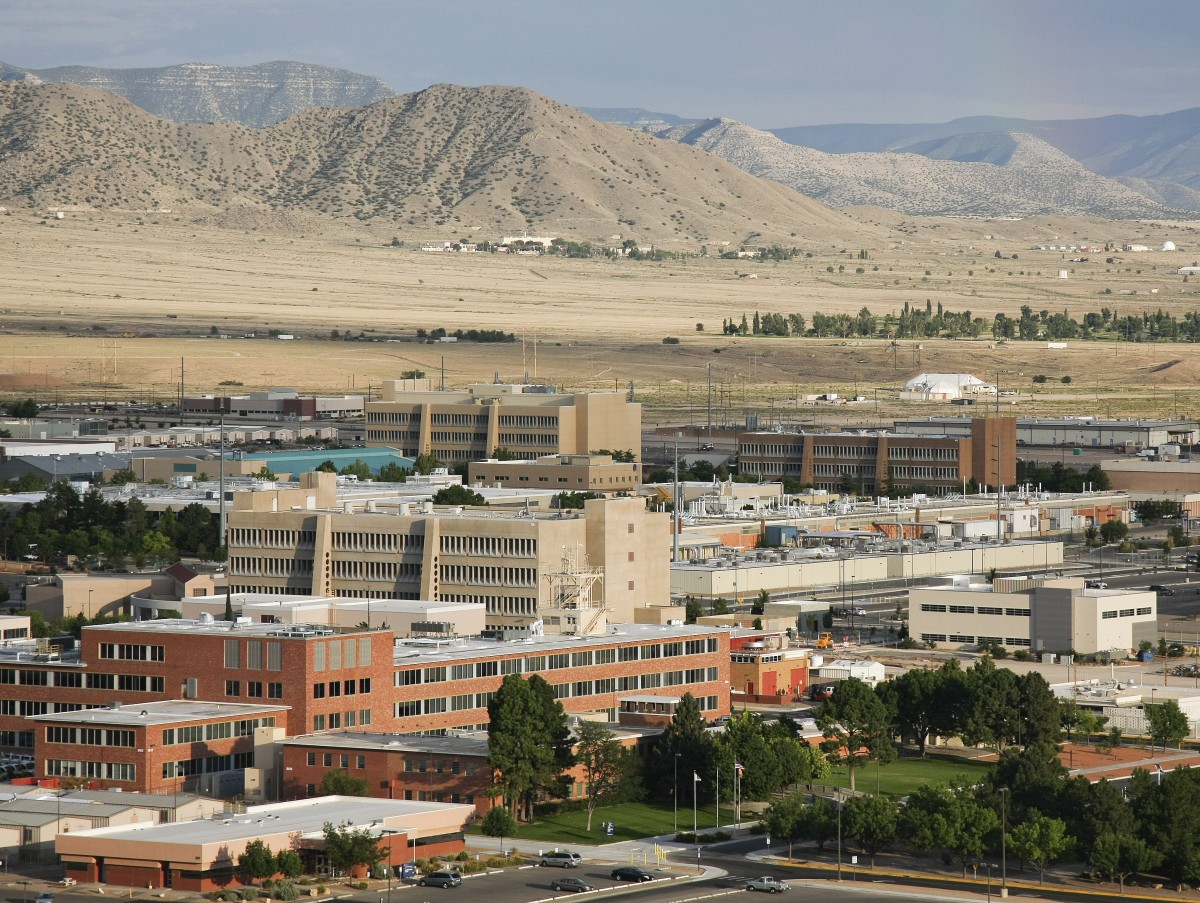
The U.S. Department of Energy’s Office of Indian Energy Policy and Programs has launched a program offering tribal staff, students and tribal college and university faculty hands-on research experience at three national laboratories.
- Details
- By Chez Oxendine
- Energy | Environment
- Type: Default
- Paywall Status: Protected
- Reader Survey Question: No Question
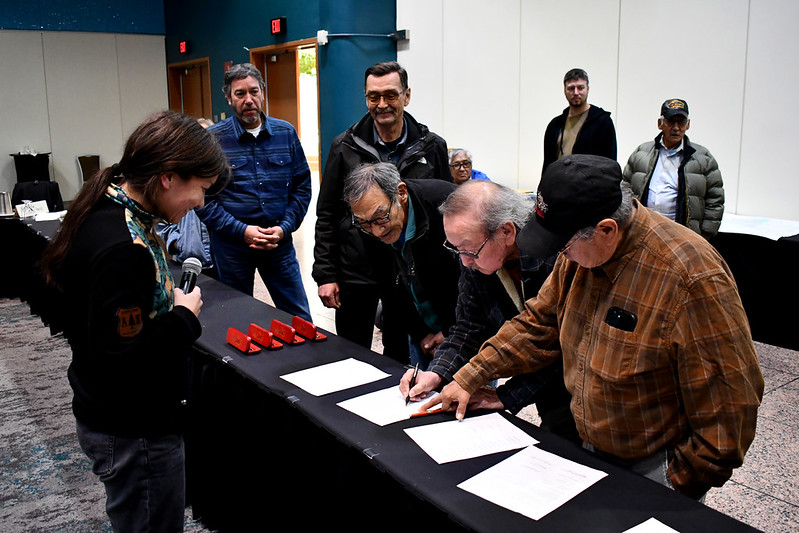
An intertribal commission and its member tribes have completed an agreement with the Department of Agriculture intended to strengthen land stewardship, habitat protection and coordinated resource management across a large region of western and interior Alaska.
- Details
- By Chez Oxendine
- Energy | Environment
- Type: Default
- Paywall Status: Protected
- Reader Survey Question: No Question
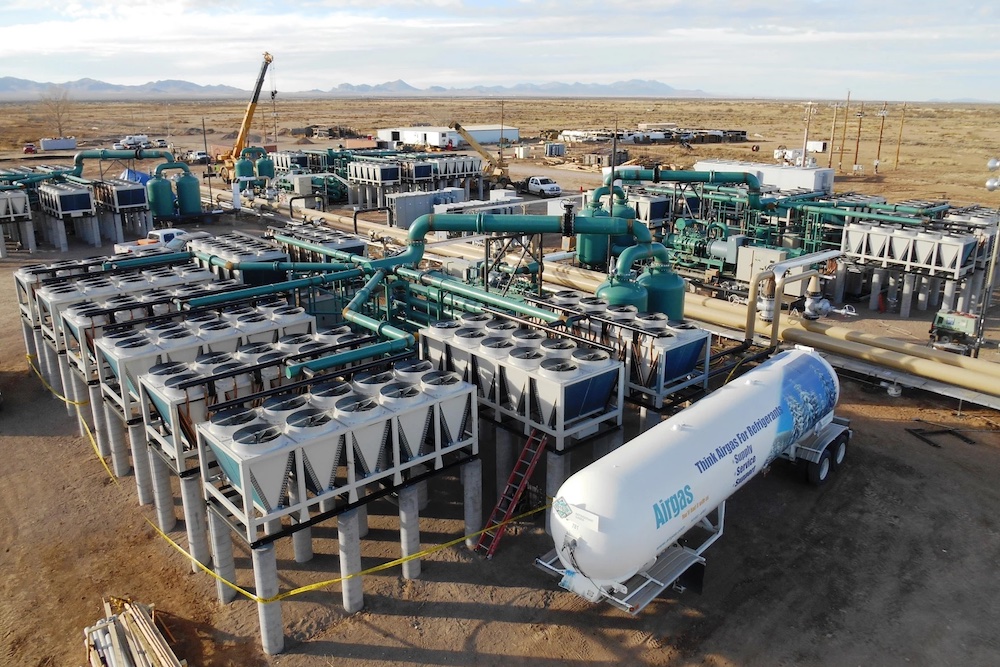
The Jicarilla Apache Nation has begun a nine‑month geothermal feasibility study funded by a $2.5 million New Mexico grant to assess potential electricity generation and direct heating on tribal lands.
- Details
- By Chez Oxendine
- Energy | Environment
- Type: Default
- Paywall Status: Protected
- Reader Survey Question: No Question
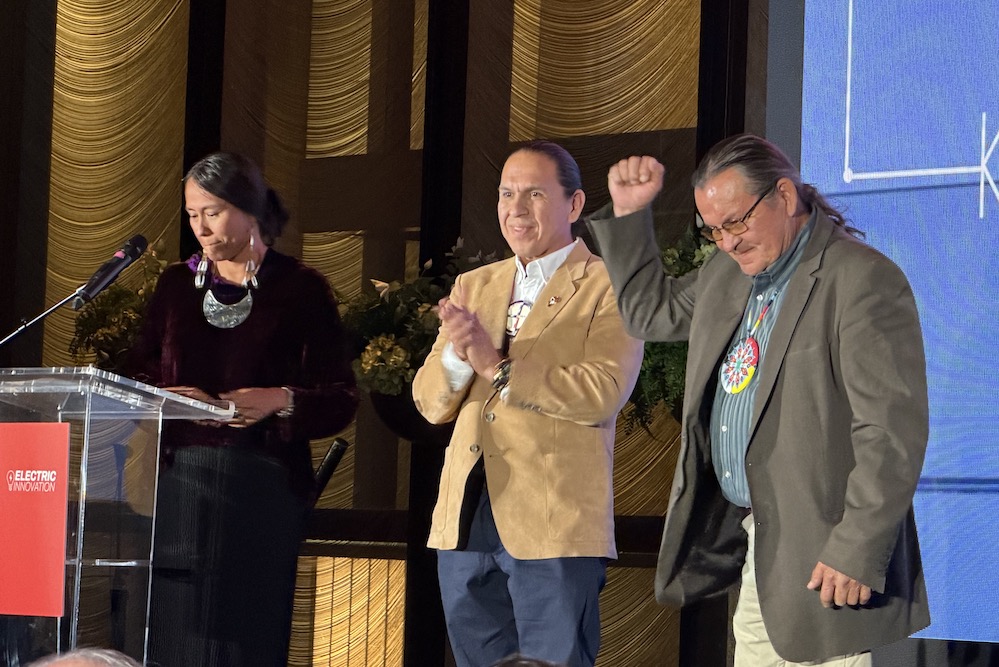
A Native-led nonprofit won a national award this week for its work training “solar warriors” for renewable energy development in Indian Country.
- Details
- By Tribal Business News Staff
- Energy | Environment
- Type: Default
- Paywall Status: Protected
- Reader Survey Question: No Question
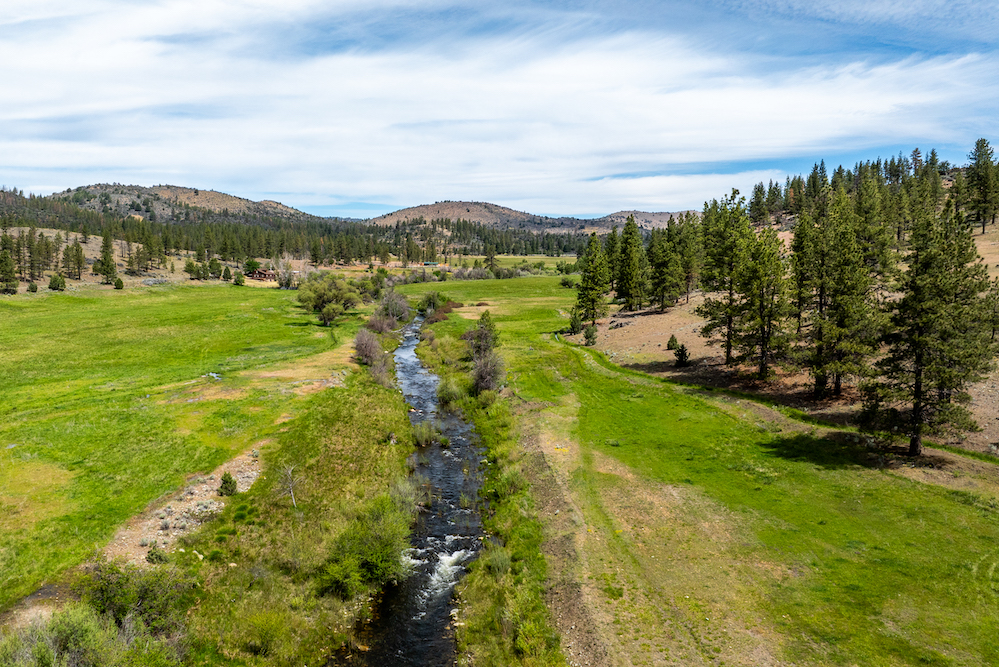
The state of California has awarded $44 million for 15 projects, including funding for a tribal organization to acquire 80 acres in Lake County for Indigenous-led ecological restoration, cultural programs and job training.
- Details
- By Chez Oxendine
- Energy | Environment
- Type: Default
- Paywall Status: Protected
- Reader Survey Question: No Question
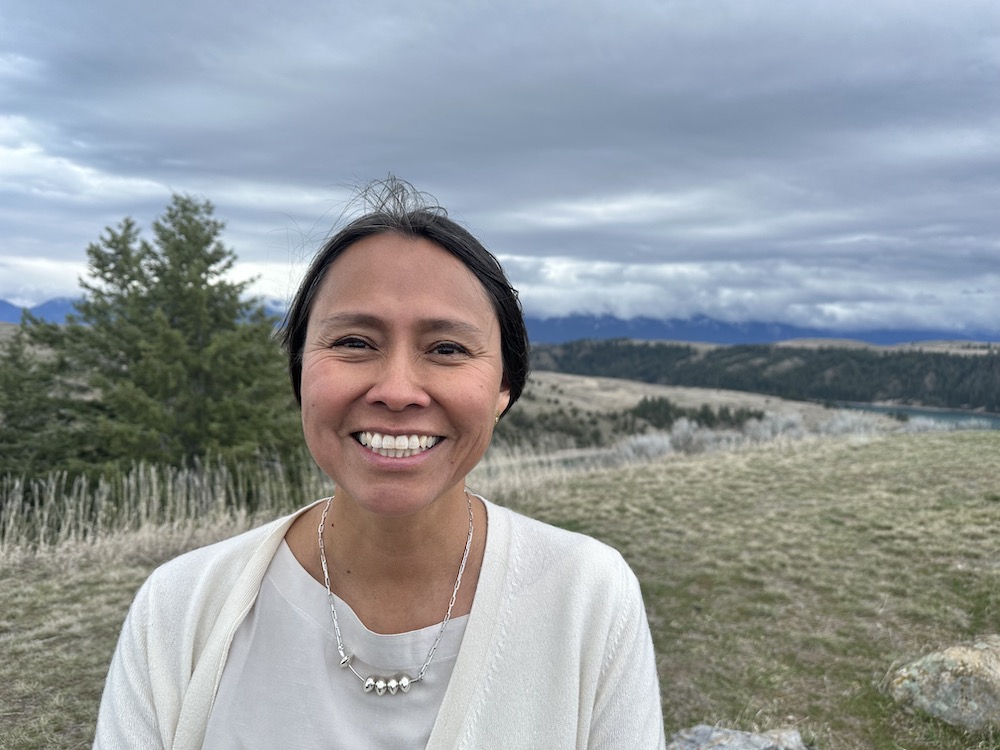
Wahleah Johns (Navajo) recalls growing up near a massive coal mine in northern Arizona. Coal from the mine helped power much of the western United States — while tribal members just miles away went without electricity.
- Details
- By Chez Oxendine
- Energy | Environment
- Type: Default
- Paywall Status: Protected
- Reader Survey Question: No Question
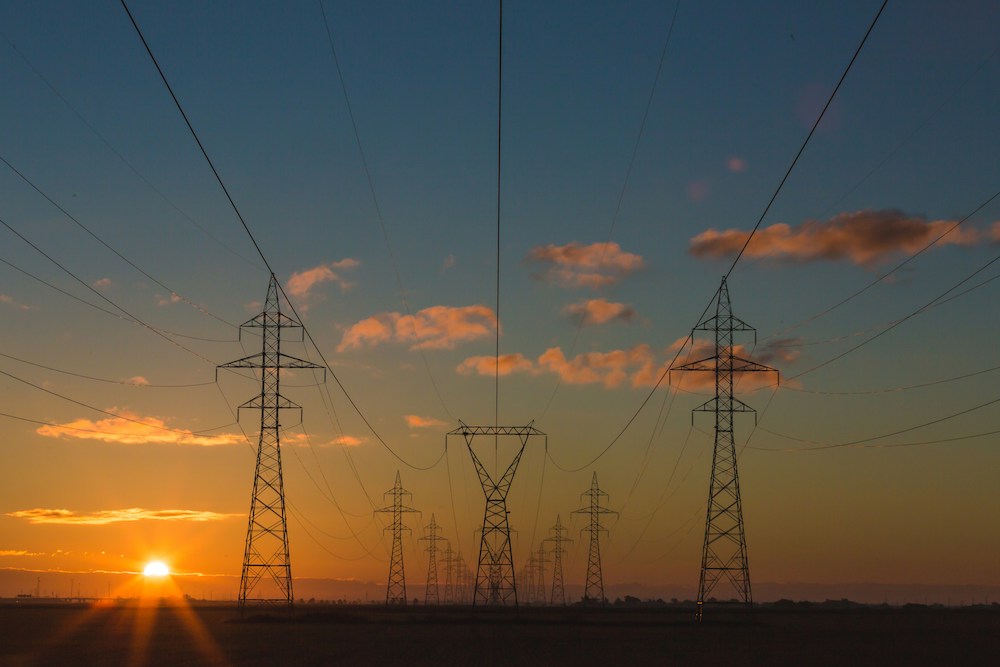
The U.S. Department of Energy has halted a proposed transmission corridor that tribal leaders hoped would unlock grid investment needed to develop and export power from reservations across the northern Plains.
- Details
- By Chez Oxendine
- Energy | Environment

- Type: Default
- Paywall Status: Protected
- Reader Survey Question: No Question
Tribal energy projects can require navigating as many as a dozen federal agencies, lengthy permitting processes and significant development costs before construction begins. The Department of Energy’s Office of Indian Energy Policy and Programs is laying out a strategy it says will make that process easier — while putting more federal resources behind projects led by tribes.
- Details
- By Chez Oxendine
- Energy | Environment
- Type: Default
- Paywall Status: Protected
- Reader Survey Question: No Question
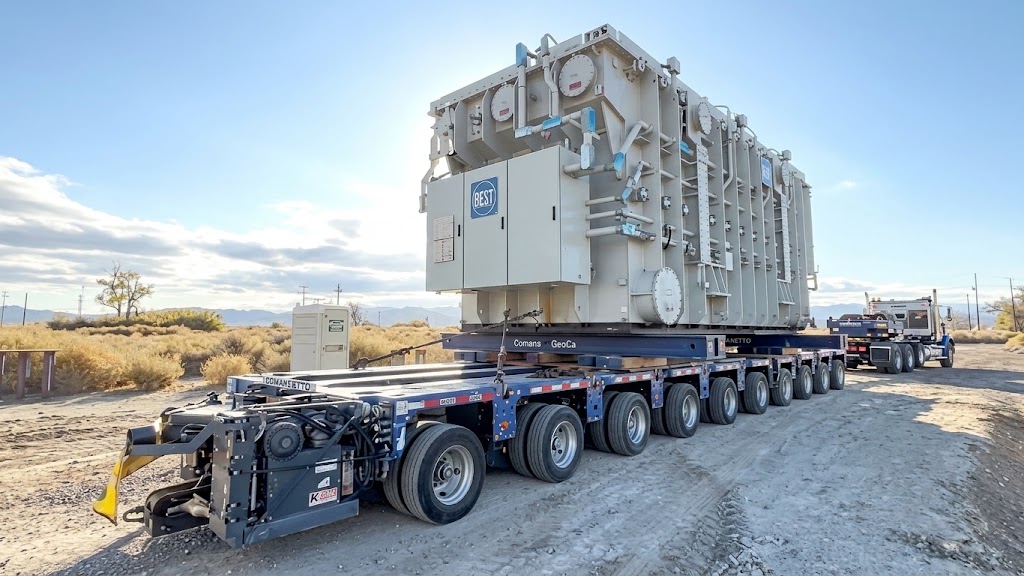
The Walker River Paiute Tribe has completed negotiations with NV Energy over a trespass dispute involving an expired power line easement and new rights of way for the utility’s Greenlink West transmission project, according to the tribe’s chairwoman.