


Energy | Environment
- Details
- By Tribal Business News Staff
- Energy | Environment
- Type: Default
- Paywall Status: Protected
- Reader Survey Question: No Question
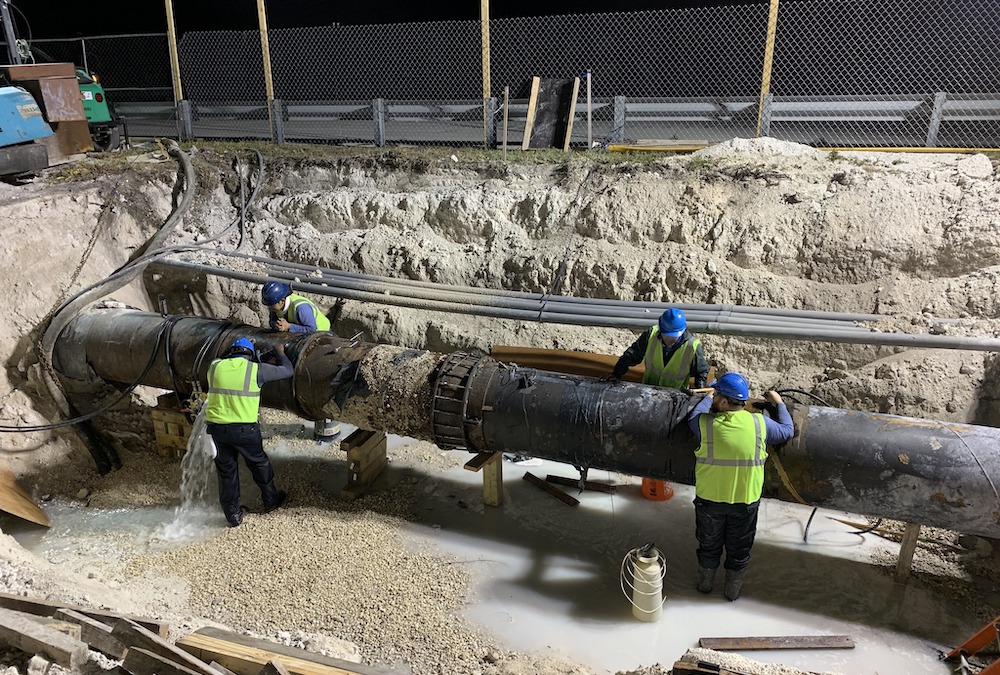
The U.S. Environmental Protection Agency will deploy $90 million in new grant funding to support drinking water and wastewater infrastructure serving tribal nations and rural communities, the agency announced April 24.
- Details
- By Tribal Business News Staff
- Energy | Environment
- Type: Default
- Paywall Status: Protected
- Reader Survey Question: No Question
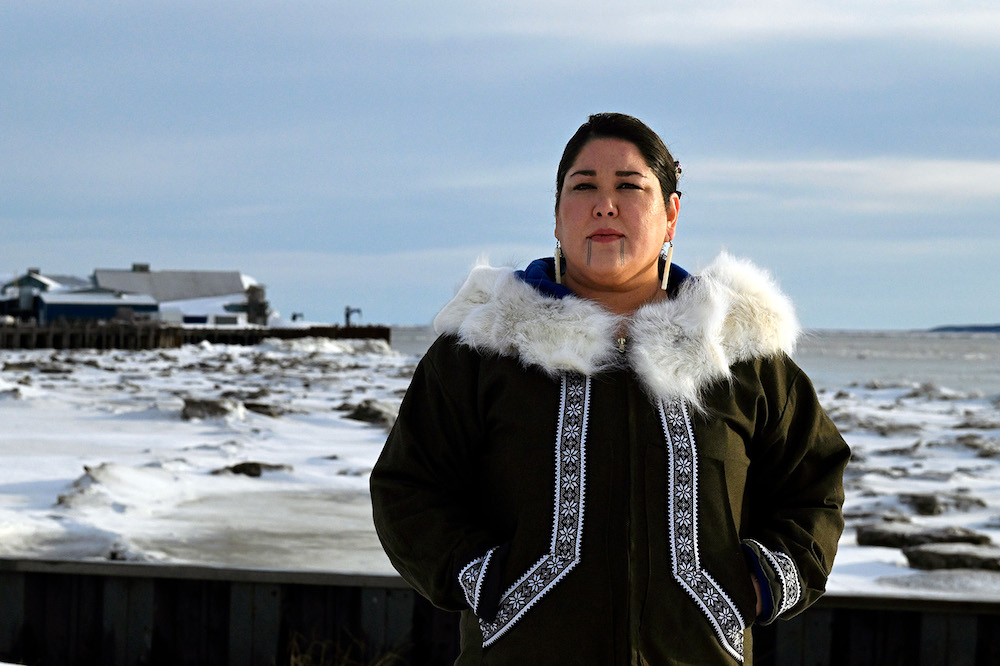
Alaska Native leader Alannah Acaq Hurley has been named a 2026 recipient of the Goldman Environmental Prize, an international award recognizing grassroots environmental leadership and campaigns with global impact.
- Details
- By Chez Oxendine
- Energy | Environment
- Type: Default
- Paywall Status: Free
- Reader Survey Question: No Question
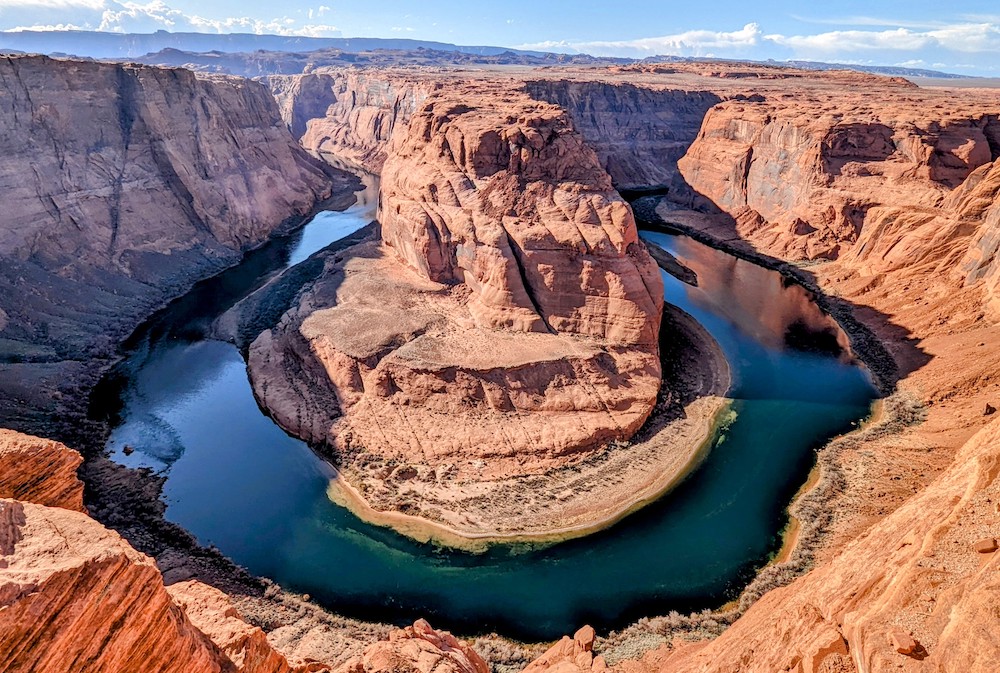
Congress is mounting a broader push to close long‑standing drinking‑water gaps in tribal communities across the Western United States. Legislators have introduced two bills aimed at securing water rights, modernizing aging systems and directing federal dollars toward regions facing some of the most persistent water‑access challenges in the country.
- Details
- By Chez Oxendine
- Energy | Environment
- Type: Default
- Paywall Status: Free
- Reader Survey Question: No Question
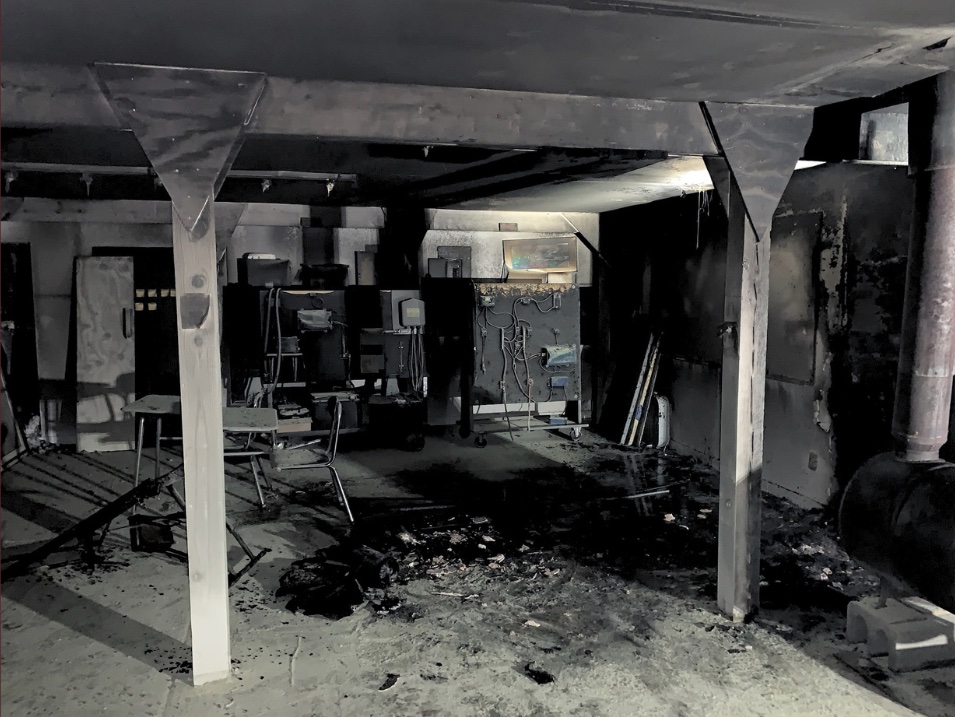
A pre‑dawn fire tore through a central training building at the Red Cloud Renewable Energy Center on April 10, causing extensive damage and forcing the nonprofit to suspend its in‑person solar workforce programs and displacing a key space where students learn and gather.
- Details
- By Chez Oxendine
- Energy | Environment
- Type: Default
- Paywall Status: Protected
- Reader Survey Question: No Question
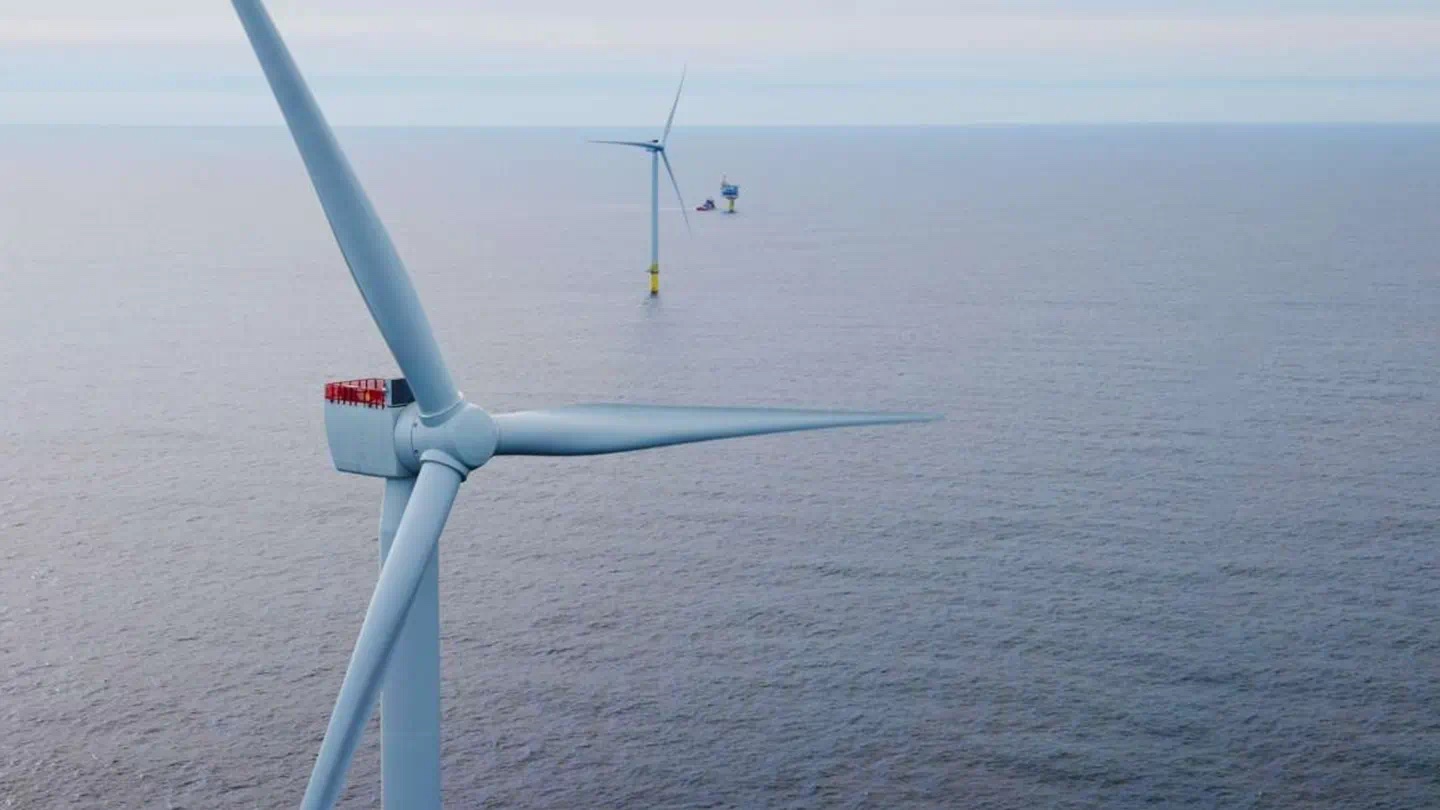
A coalition that includes the Wampanoag tribe of Gay Head (Aquinnah) and the Narragansett Indian Tribe has filed a federal lawsuit seeking to overturn approvals for the Sunrise Wind offshore wind project, arguing that regulators advanced the development without complying with key environmental and historic preservation laws.
- Details
- By Chez Oxendine
- Energy | Environment
- Type: Default
- Paywall Status: Free
- Reader Survey Question: No Question
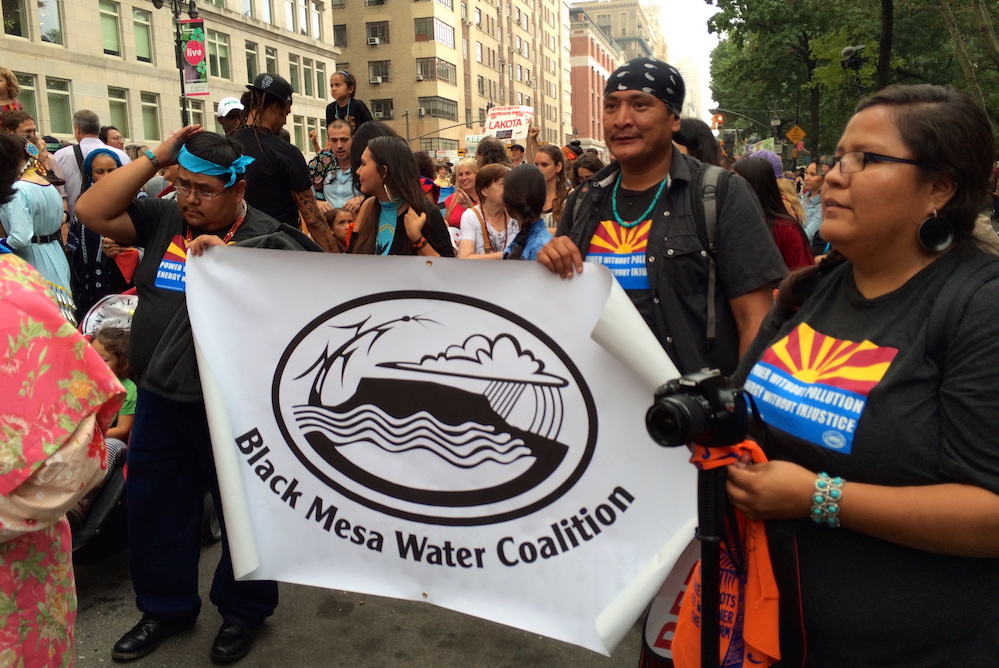
A proposed federal rule could limit the ability of tribes to challenge early-stage hydropower projects, raising concerns among Navajo community groups about renewed development pressure on Black Mesa, a Navajo Nation region long shaped by coal mining.
- Details
- By Tribal Business News Staff
- Energy | Environment
- Type: Default
- Paywall Status: Protected
- Reader Survey Question: No Question
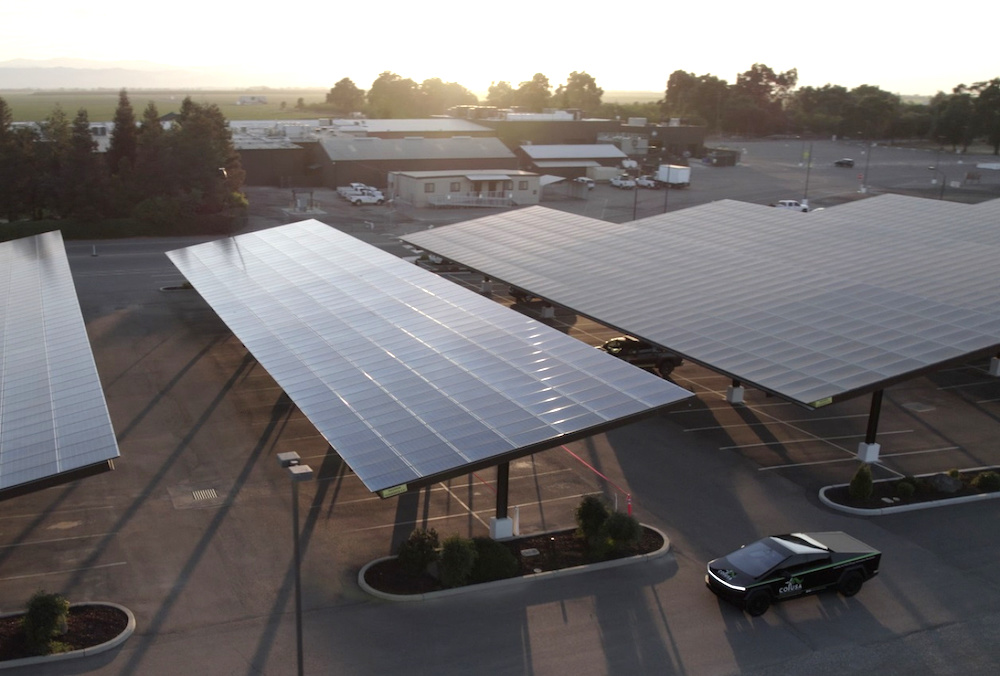
A Northern California tribe and a private developer plan to build an artificial intelligence and energy infrastructure campus on tribal land, marking a push into power-intensive data development tied to existing microgrid capacity.
- Details
- By Chez Oxendine
- Energy | Environment
- Type: Default
- Paywall Status: Protected
- Reader Survey Question: No Question
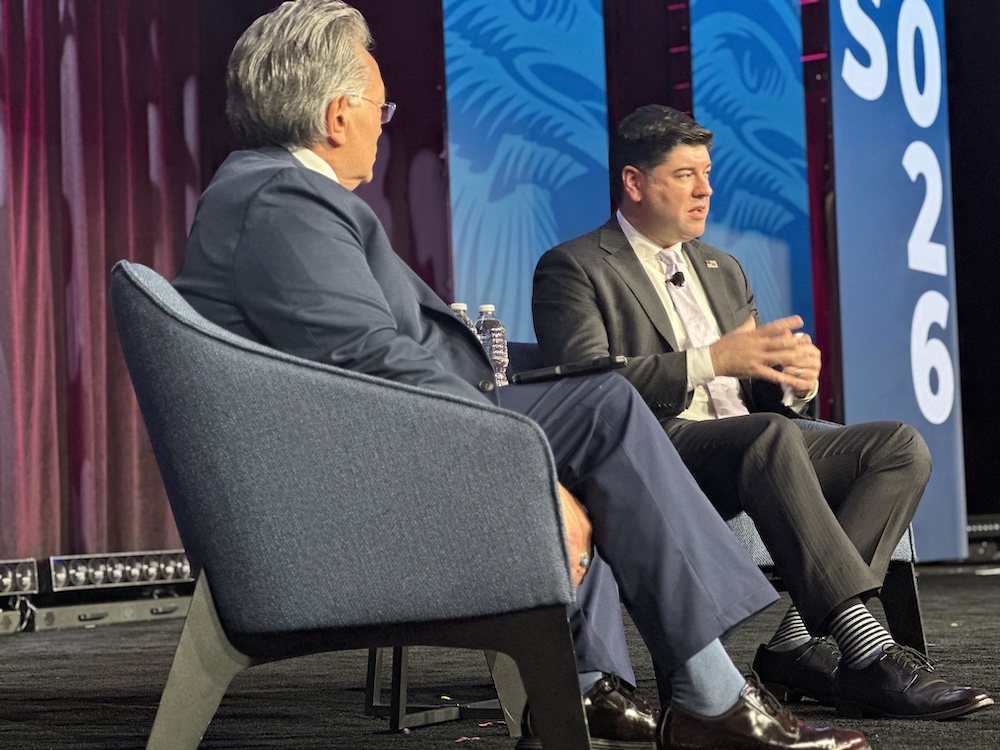
LAS VEGAS — The U.S. Department of Energy announced a $50 million funding opportunity for tribal energy development during a lunchtime session today at the Reservation Economic Summit in Las Vegas.
- Details
- By Brian Edwards
- Energy | Environment
- Type: Default
- Paywall Status: Protected
- Reader Survey Question: No Question
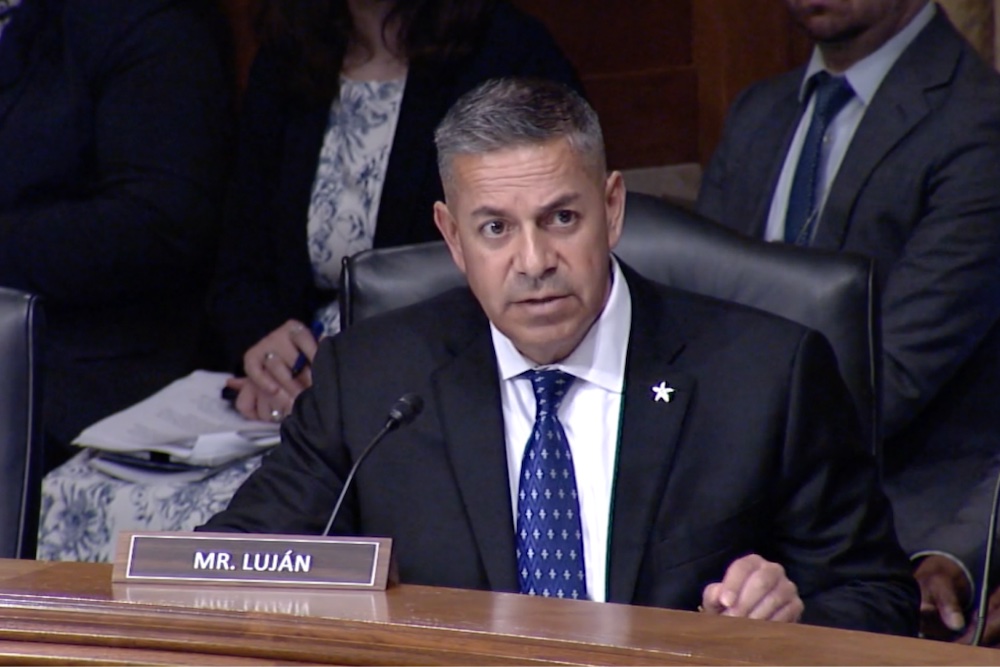
The Bureau of Reclamation has expedited the release of $120 million for the Navajo-Gallup Water Supply Project, lawmakers said, following Senate questioning over delays in distributing previously approved funds.
- Details
- By Chez Oxendine
- Energy | Environment

- Type: Default
- Paywall Status: Protected
- Reader Survey Question: No Question
In late February, the U.S. Department of the Interior finalized changes to how it implements the National Environmental Policy Act (NEPA), shifting 80% of existing regulations into an “internal handbook” that provides guidance rather than binding rules.