- Details
- By Chez Oxendine
- Energy | Environment
The Red Lake Band of Chippewa Indians is moving forward with a $9 million solar project, positioning the tribe for future expansion as renewable energy financing becomes more challenging.
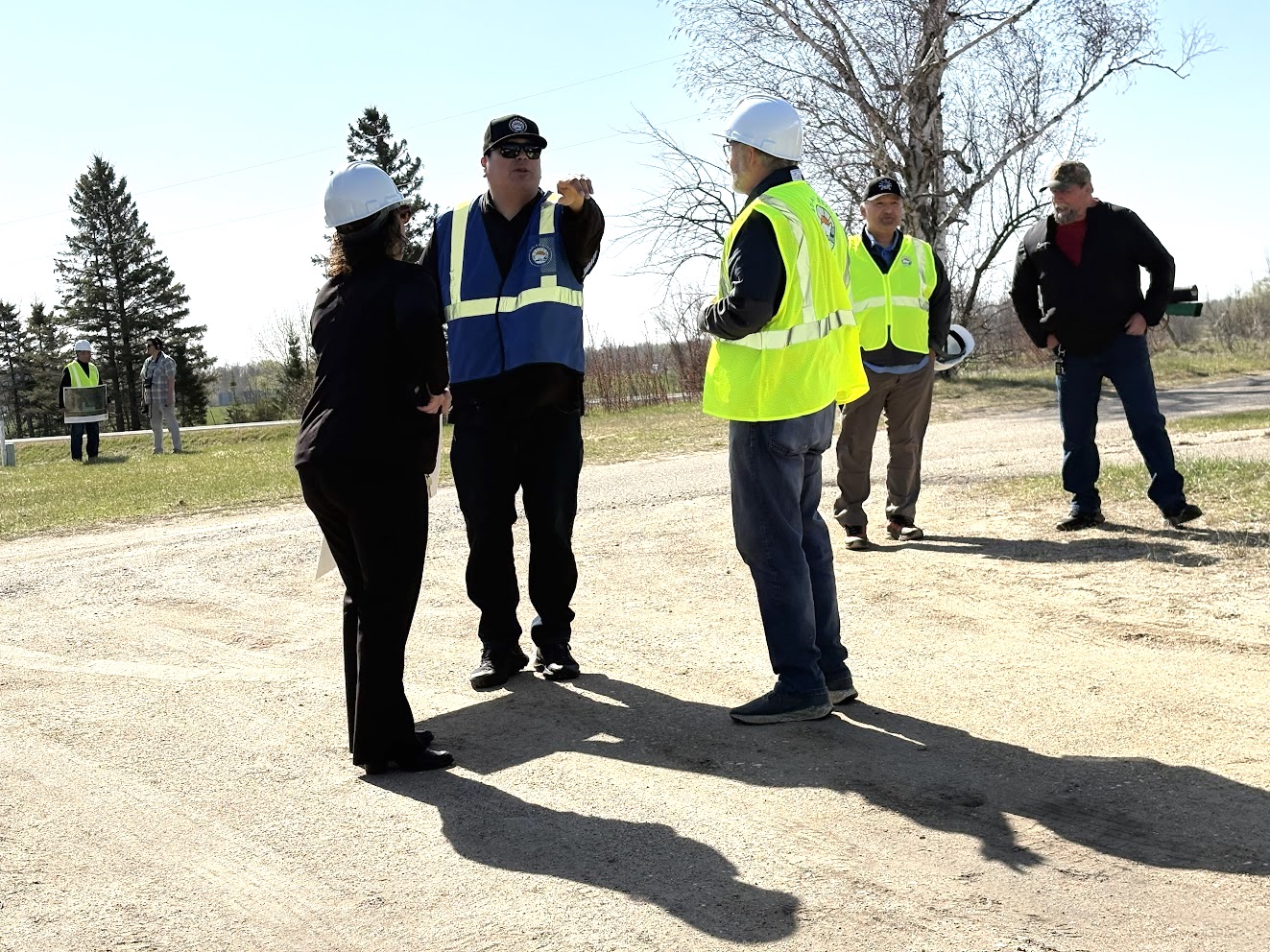
The 3-megawatt Mawka Solar Array near Blackduck, Minn., broke ground in May and is expected to be completed in June 2027. The project is designed to generate enough electricity to power roughly 500 homes while reducing energy costs for some tribal members and tribal government facilities.
Robert Blake, whose company Solar Bear is leading development, said the project is intended as the first phase of a larger solar initiative. The site was selected to accommodate future expansion if additional development moves forward.
“That’s the beautiful thing. You can add on to solar, you can decrease it,” Blake said. “The land purchased for this project is set up for a bigger solar array, and we’re hoping in the future that we can add on.”
The project arrives at a time when tribal nations across Minnesota are pursuing renewable energy as a tool for sovereignty, economic development and resilience. According to MPR News, tribes including Red Lake Nation and White Earth Nation have advanced major solar projects in recent years, even as federal tax credits for solar development have tightened.
State energy officials told MPR that the loss of a 30% federal tax credit has made financing more difficult for tribes, which often rely on a mix of grants, local investment and mission‑driven capital.
Red Lake secured federal funding for the Makwa project before some of the Trump administration policy changes took effect, helping shield the development from recent uncertainty surrounding renewable energy incentives.
The project is backed by $9.3 million from the Bureau of Indian Affairs' Tribal Electrification Program, including a $600,000 award announced in March 2024 and an additional $8.7 million awarded in September 2024.
The Red Lake Nation also invested $2 million in tribal funds to purchase the land for the project in 2022, according to tribal officials.
Red Lake Executive Director Hunter Boldt said the project was an “important step” for the nation in a statement provided to Tribal Business News.
“This will reduce our reliance on fossil fuels, support cleaner and more affordable energy and strengthen our energy resilience,” Boldt said. “We can’t wait to see this work move forward.”
Blake’s development company Solar Bear has taken development lead on the project, alongside his nonprofit organization, Native Sun Community Power Development.
Unlike many renewable energy projects that rely on outside ownership structures, the Mawka Solar Array will be wholly owned by the tribe once construction is complete. That ownership structure, combined with the project’s scale, positions the Nation to capture long‑term economic benefits while reducing household energy costs, Blake said.
For Blake, a citizen of Red Lake Nation, the project also carries personal significance.
“I’m a member of the Red Lake Nation, so this is something near and dear to my heart,” Blake told Tribal Business News. “This is as much a personal project as a professional one.”