- Details
- By Chez Oxendine
- Energy | Environment
The game was supposed to change. Then, largely, it didn’t.
Tribes were offered unprecedented access to tax credits under the Inflation Reduction Act beginning in 2022. As designed, the credits, both elective pay and direct, would have effectively slashed energy development costs by 30% to 50% and attracted private investment on a scale previously unheard of in Indian Country energy.
Every time I spoke with an industry expert back then, I heard the same thing: the credits were “game-changing.” Having access to refunds on project costs from the Internal Revenue Service was going to forge new partnerships and transform energy finance.
That was the goal. The reality was a morass of tangled rulings from the IRS and confusion about how to structure ownership of energy assets without running afoul of tribes’ tax-exempt status.
Elective pay was the core of the IRA’s promise. Elective pay allowed tribes to treat certain clean energy tax credits as if they had tax liability, converting those credits into cash payments from the Treasury. For the first time, elective pay opened access to credits that had historically been out of reach for tax‑exempt governments. When combined with bonus incentives for building in Indian Country or low‑income communities, cost returns could climb to as much as 70%, per prior Tribal Business News reporting.
Combined with Treasury’s long‑awaited rules clarifying the tax status of tribal business entities, the IRA offered tribes a financing structure that could support utility‑scale solar, storage and microgrids without ceding ownership.
“It was going to be one of the biggest changes to financing this kind of thing Indian Country had ever seen,” an industry expert told Tribal Business News, speaking on background. “It was the kind of thing you dreamed of getting, and then we had it.”
Then came the 2024 election. Donald Trump won the presidency, and a federal pivot away from renewable energy dragged all that momentum with it. The One Big Beautiful Bill Act effectively finished the job, sunsetting the elective pay program outright.
Projects had to begin construction by July 5, 2026, or be placed in service by the end of 2027. Those deadlines are unworkable for most utility‑scale tribal projects, which often take five years or more to develop. Supply chain delays caused by tariffs pushed timelines even further. The credits that were supposed to change the game disappeared before most tribes ever had a chance to use them.
“You saw people trying to avoid the reality of it, I think,” said Sasha Kahn, an energy consultant at Charlotte, N.C.-based developer Burnished Sun. “People felt like since it was congressionally protected, it was safe, and then you watched the OBBBA being discussed and inching closer to passing, and then it happened and everything just collapsed. There was just no confidence in getting where a project needed to be for a lot of people, and you saw deals start to crumble.”
Some projects showed what the IRA era could have been. The Viejas Band of Kumeyaay Indians closed financing on a $150 million microgrid — 15 megawatts of solar paired with 70 megawatt‑hours of long‑duration storage — using the largest tribal grant ever awarded by the California Energy Commission (CEC) and the first loan guarantee ever issued under the Department of Energy’s decades-old Tribal Energy Financing Program.
IRA credits backstopped the debt. Private lenders stayed in the deal. It was the kind of project Indian Country had been told was finally possible.
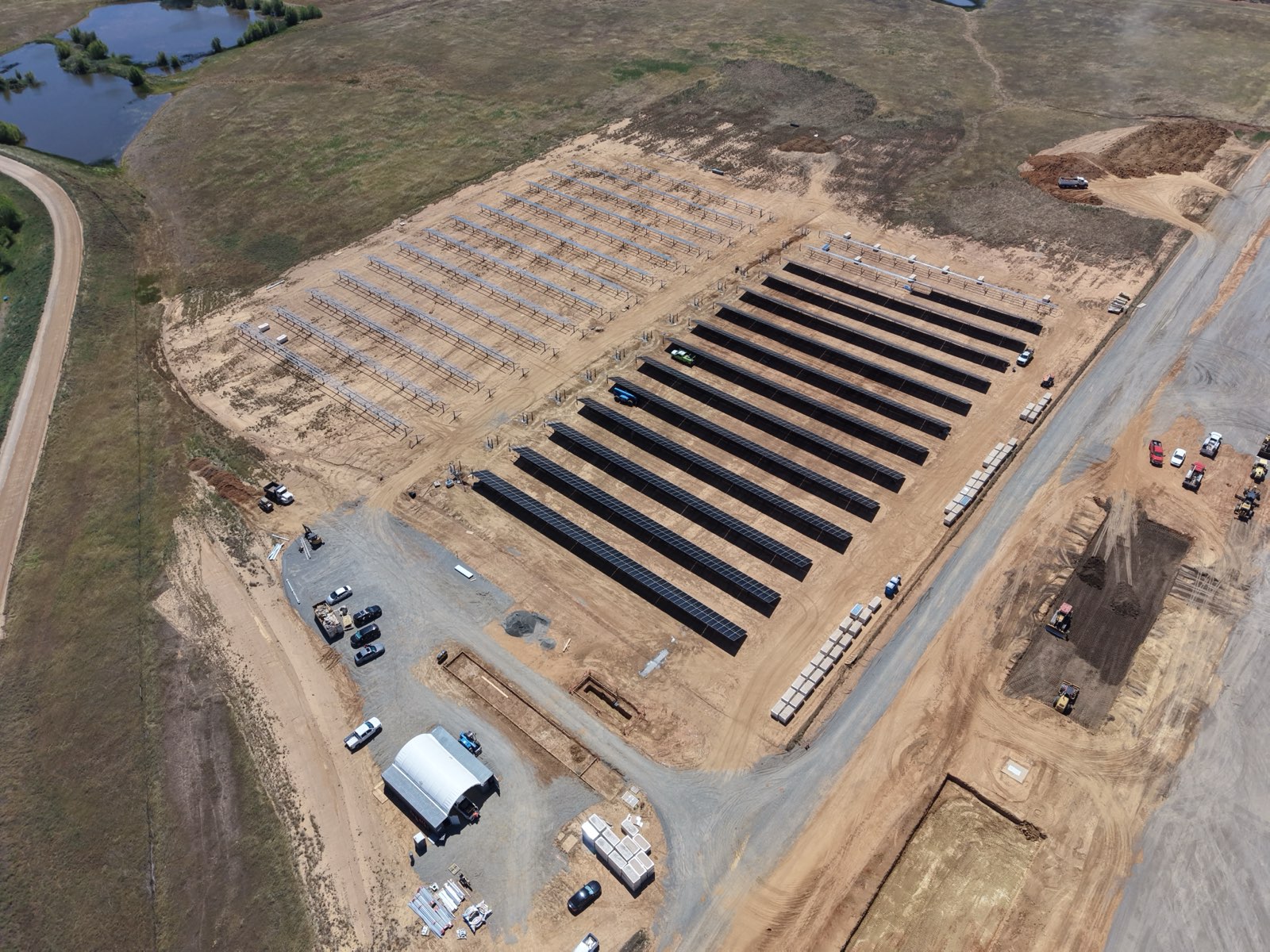
Other tribes moved early enough to keep their credits even after the political reversal began. The Paskenta Band of Nomlaki Indians is building a 4.5‑megawatt solar microgrid with 21 megawatt‑hours of storage, supported by CEC funding, FEMA resilience dollars and the direct pay program.
“It was more about finding funding to fit the vision than the other way around,” said Jacob Schuler, a developer tied to the Paskenta project. “We moved quickly to make sure that stayed in place.”
But stories like those involving the Paskenta and Viejas bands are few and far between. For many tribes, the reality was that the tax credits started as a confusing promise and — as of July 6, 2026 — ended as a closed door.
“It was heartbreaking to watch this thing that was supposed to be so good for people just fall apart,” Kahn said. “And because it fell apart the way it did, even if we see another Congress come in and reverse some of the OBBBA, and we see that federal support for solar returns, people are still going to wonder. I don’t know that we’re ever going to see that kind of confidence in a program like this again, and that’s going to cool people’s enthusiasm for it.”
Tribes are making projects happen regardless, seeking out state funding or private investment. New deals are happening every day. But I still go back and look at the breathless endorsements of the “game-changing” tax credits and wonder how much faster and farther Indian Country energy would have gone if the rules had been clearer from the outset and they weren’t cut short.