- Details
- By Brian Edwards
- Gaming
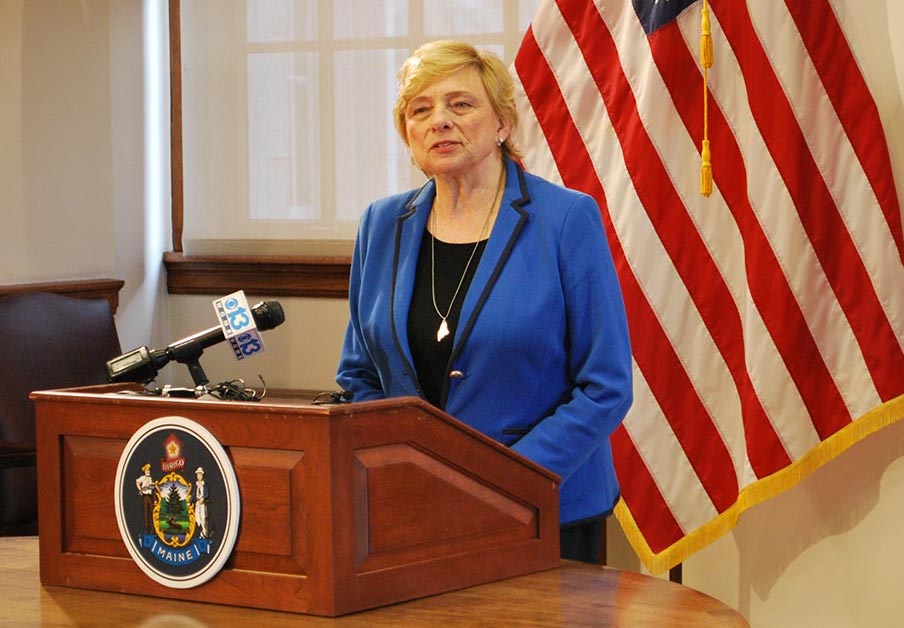
Maine is expanding the economic toolkit available to the state’s tribal governments after Gov. Janet Mills announced she will allow a bill authorizing the Wabanaki Nations to operate regulated online gambling statewide to become law.
The bill, LD 1164, establishes a new, tribally controlled source of recurring digital revenue, giving the Wabanaki Nations greater capacity to fund their government services and plan long-term investments.
For lenders, investors and development partners, the law signals the continued expansion of tribally controlled revenue streams operating under clearer regulatory frameworks in Maine.
The legislation would grant Maine’s four Wabanaki Nations — the Penobscot Nation, Passamaquoddy Tribe, Mi’kmaq Nation and Houlton Band of Maliseet Indians — exclusive authority to operate online casino gaming in the state, with each tribe permitted to partner with one commercial platform provider.
The structure allows for up to four statewide platforms and applies an 18% tax on online casino revenue, with state officials projecting collections of about $1.8 million in the first year and more than $3 million annually thereafter, per Casino.orgreporting. Oversight would be shared between tribal and state gambling authorities under a regulatory model that mirrors Maine’s existing online sports betting framework.
The bill extends a framework first established in 2022, when Maine granted tribes exclusive control over online sports wagering. That law created a tribally owned, statewide market with relatively low capital requirements and recurring revenue potential, an approach that has since become a central component of tribal fiscal planning in Maine.
LD 1164 applies the same structure to online casino-style gaming, allowing tribes to operate platforms directly or through partnerships with licensed technology providers. Tribal governments retain control over licensing and revenue allocation, positioning them to redirect gaming dollars that have historically flowed to unregulated offshore operators.
In a statement yesterday announcing the decision to advance the legislation, Mills said she had concerns about the public health impacts of gambling but concluded that the “new form of gambling” should be regulated in a way that holds providers accountable while ensuring Maine’s tribes benefit economically.
Penobscot Nation Chief Kirk Francis said the revenue will support “core governmental responsibilities we’ve struggled to adequately fund for generations,” including housing, health care, law enforcement, infrastructure and environmental management. The predictable nature of the revenue, he said, allows tribal governments to plan and invest beyond year-to-year uncertainty.
Passamaquoddy Chief William Nicholas Sr. described the legislation as “an economic turning point,” saying tribally owned digital gaming could strengthen tribal economies at the governmental, household and community levels.
Predictable revenue under tribal control improves credit profiles and supports borrowing and bonding, expanding tribes’ ability to finance infrastructure and economic development projects.
The bill also reflects the legal and political boundaries shaping tribal economic development in Maine. Broader efforts to extend federal Indian law to the state’s tribes have stalled, most notably in 2023, when Mills vetoed bipartisan legislation addressing the applicability of federal law under the Maine Indian Claims Settlement Act.
At the federal level, Maine’s congressional delegation, including Sen. Angus King, an independent who caucuses with Democrats, has acknowledged the economic disadvantages facing the Wabanaki Nations while urging caution around sweeping legal changes.
Commercial gaming operators and state regulators had urged Mills to veto the bill. In testimony earlier this year, FanDuel said limiting licenses to tribal governments could reduce consumer choice and weaken the regulated market.
Michael Ventre, FanDuel’s senior manager for state government relations, told lawmakers that exclusivity “would not create the healthy, regulated market that we have seen in many other states,” warning that some players could turn to unregulated alternatives.
State regulators raised related concerns. Steve Silver, chair of the Maine Gambling Control Board, testified that excluding Maine’s commercial casinos from iGaming could result in job losses, noting that Oxford and Hollywood casinos employ nearly 1,000 workers statewide.
LD 1164 will take effect 90 days after the close of the current legislative session.