


Sponsored Storytelling
- Details
- By Tribal Business Content Studio
- Sponsored Storytelling
- Type: Default
- Paywall Status: Free
- Reader Survey Question: No Question
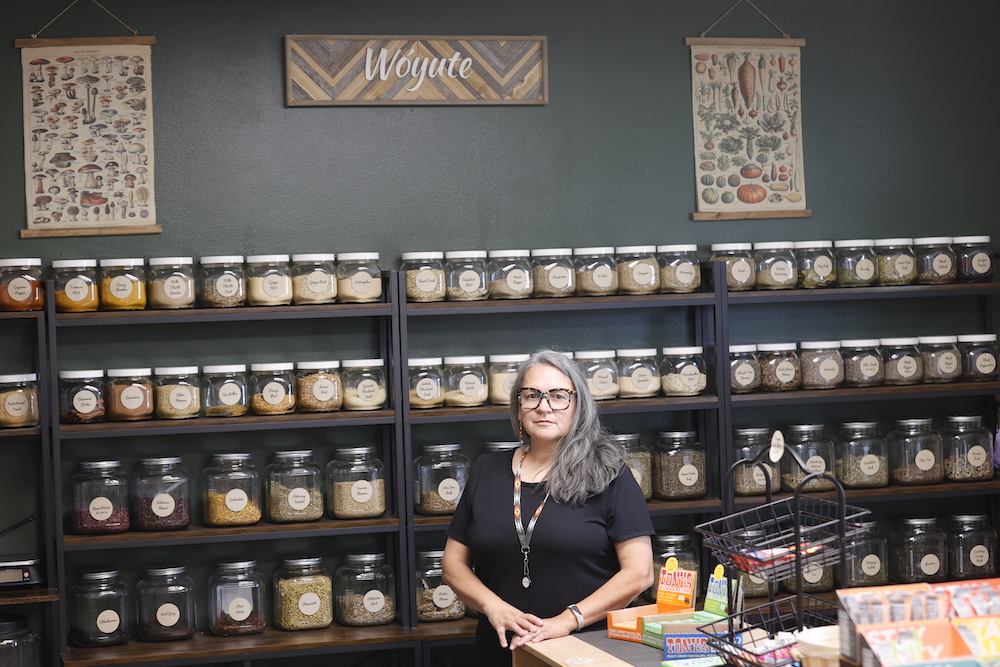
In Eagle Butte, S.D., on the Cheyenne River Lakota Reservation, tribal citizens can find high-quality traditional foods, such as bison and wild rice, at Wóyute Natural Foods & Apothecary.
- Details
- By Michigan Economic Development Corporation
- Sponsored Storytelling
- Type: Default
- Paywall Status: Free
- Reader Survey Question: No Question
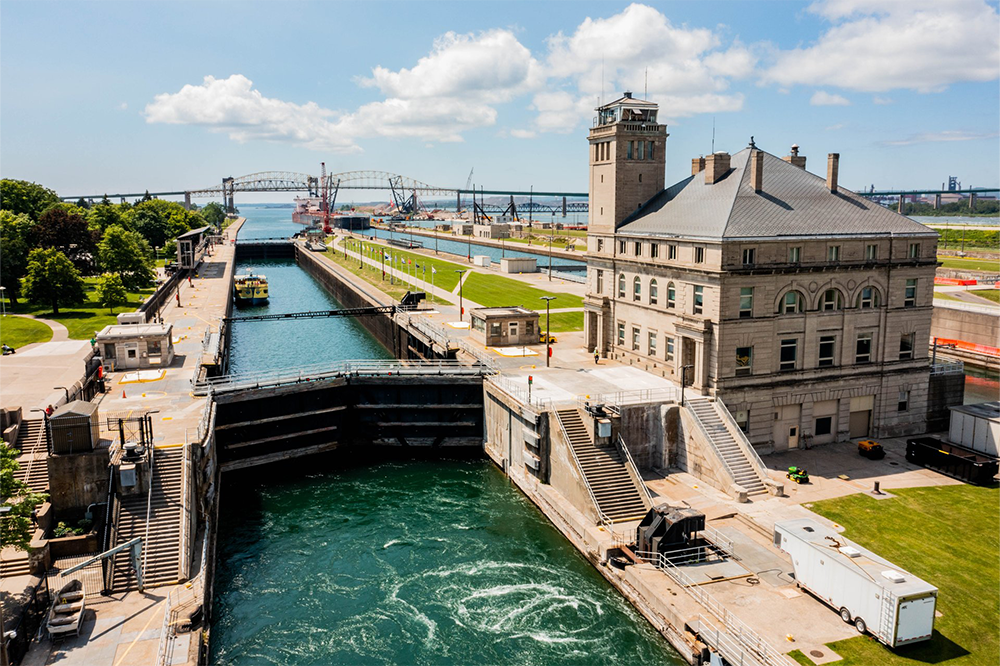
When it comes to business success stories, Walsh Service Solutions stands as a prime example of finding growth and opportunity in Michigan. This Tribally owned and service-disabled veteran-owned business is deeply rooted in the state’s business ecosystem, providing contracting services across corporate, commercial and government industries. Recently relocating to Sault Ste. Marie from the Kalamazoo Area, Walsh Service Solutions represents more than just a business; its work is a catalyst for regional economic development and social transformation, driving middle-class growth and empowering communities throughout Michigan.
- Details
- By Tribal Business Content Studio
- Sponsored Storytelling
- Type: Default
- Paywall Status: Free
- Reader Survey Question: No Question
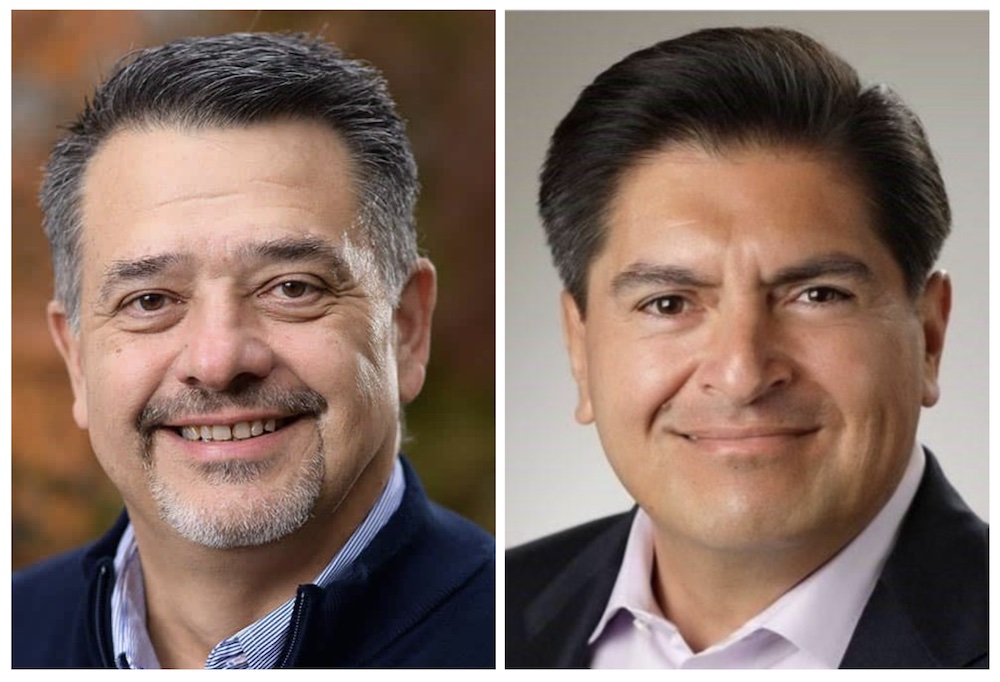
Native American communities in California and Nevada are facing a critical shortage of financial resources. Despite a combined Native American population of nearly 800,000 and 130 federally recognized tribes, these two states are home to only one certified Native community development financial institution (CDFI).
- Details
- By First American Capital Corp.
- Sponsored Storytelling
- Type: Default
- Paywall Status: Free
- Reader Survey Question: No Question
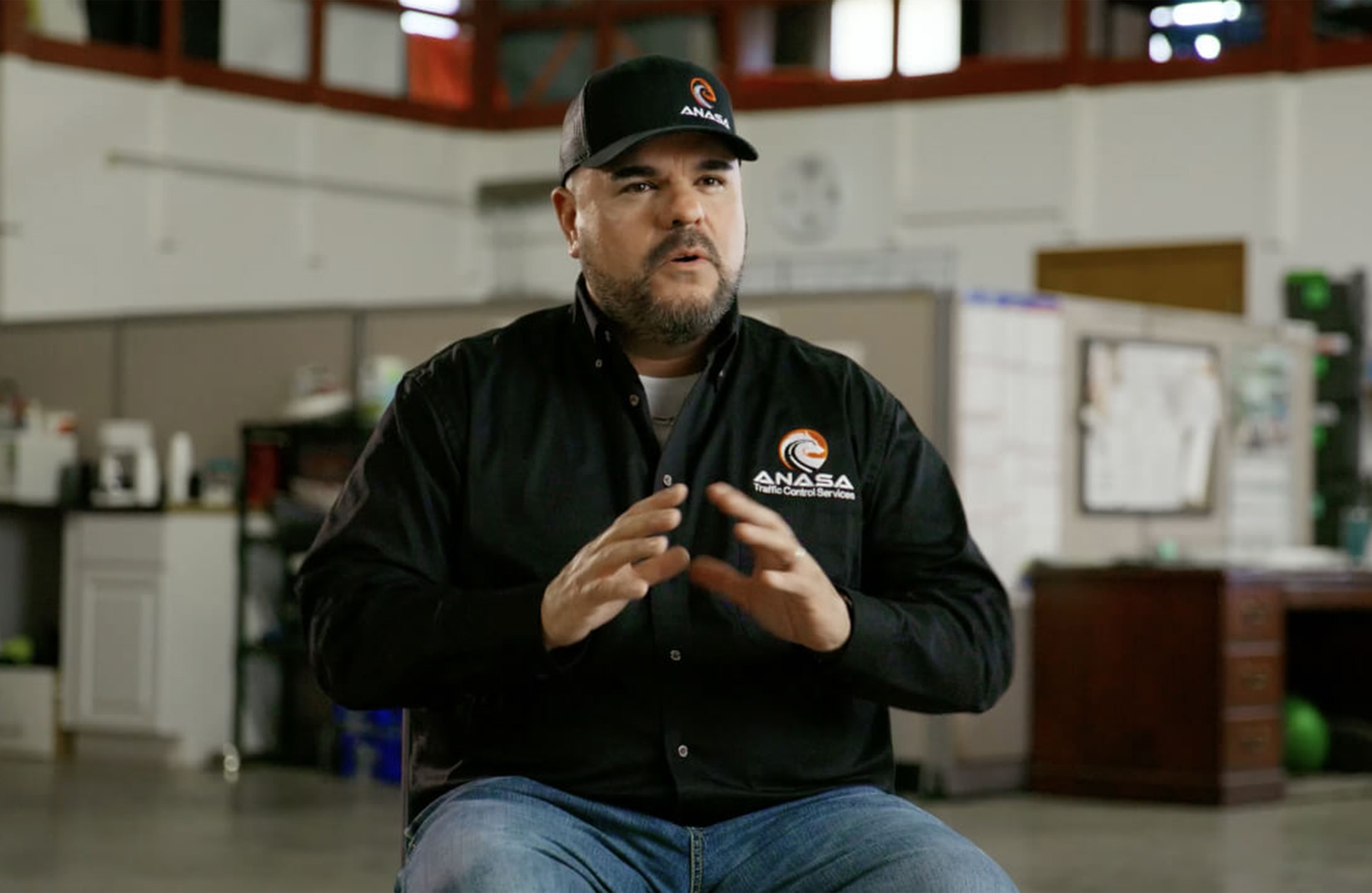
In the middle of the pandemic’s uncertainty, Adam J. Skenandore began his journey to use his expertise as a Traffic Control Technician and start ANASA Traffic Control Services, LLC.
- Details
- By Tribal Business Content Studio
- Sponsored Storytelling
- Type: Default
- Paywall Status: Free
- Reader Survey Question: No Question
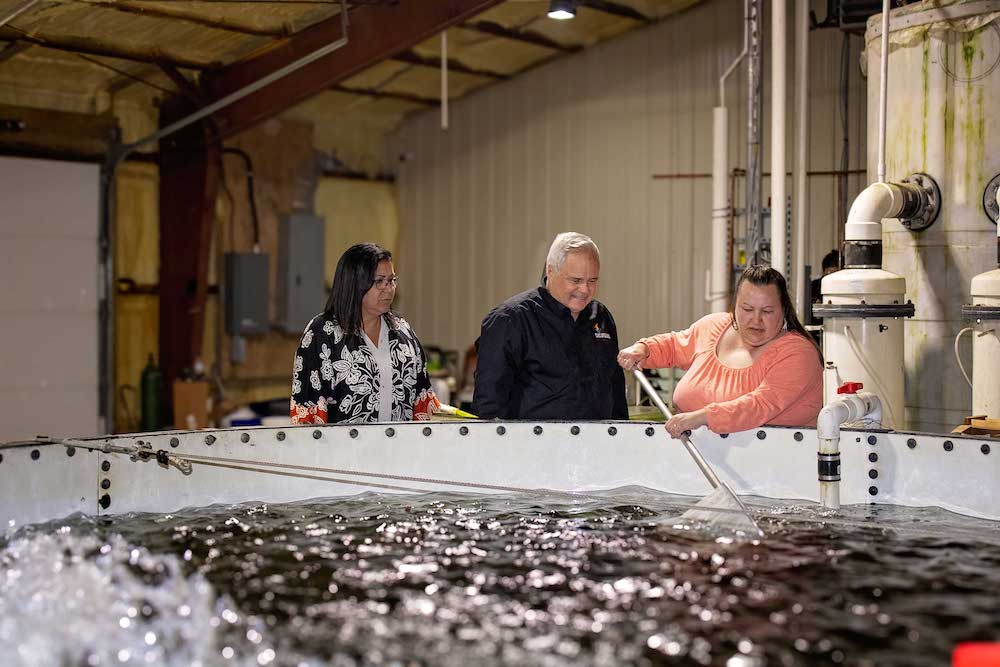
Twenty years ago, citizens of the Mi’kmaq Nation in northern Maine faced significant challenges in sourcing brook trout, a traditional food for the federally recognized tribe. Polluted waters had rendered the most accessible fishing spots unsafe.
- Details
- By Tribal Business Content Studio
- Sponsored Storytelling
- Type: Default
- Paywall Status: Free
- Reader Survey Question: No Question
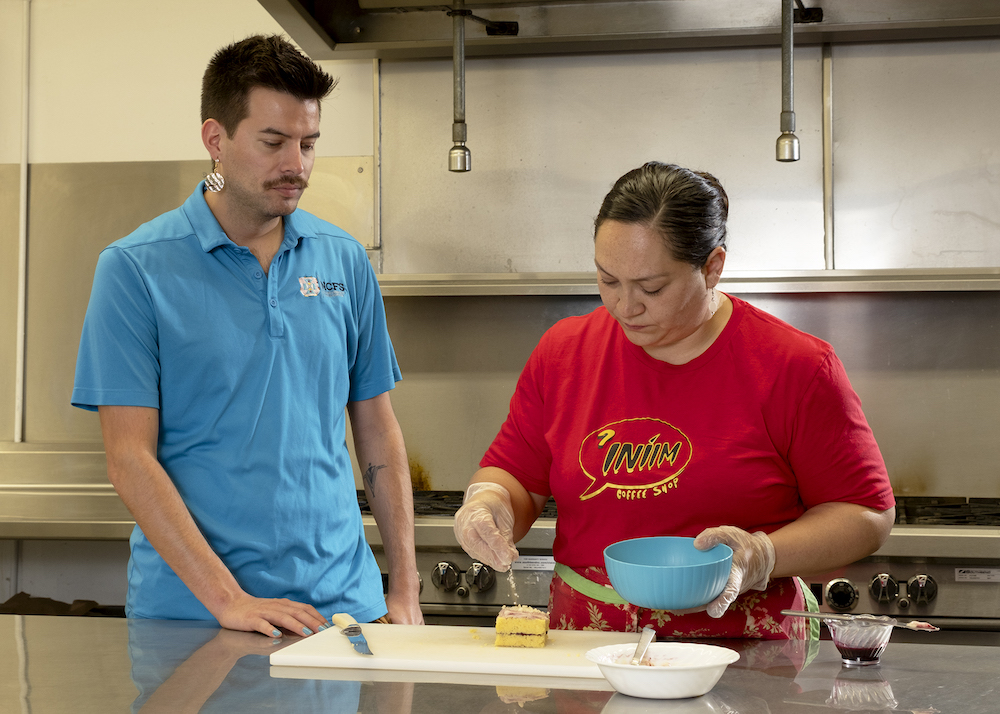
During the early days of the COVID-19 pandemic, Sadie Mildenberger, a citizen of the Umatilla Tribe, daydreamed about owning a business centered around the traditional foods that she loved.
- Details
- By Tribal Business Content Studio
- Sponsored Storytelling
- Type: Default
- Paywall Status: Free
- Reader Survey Question: No Question
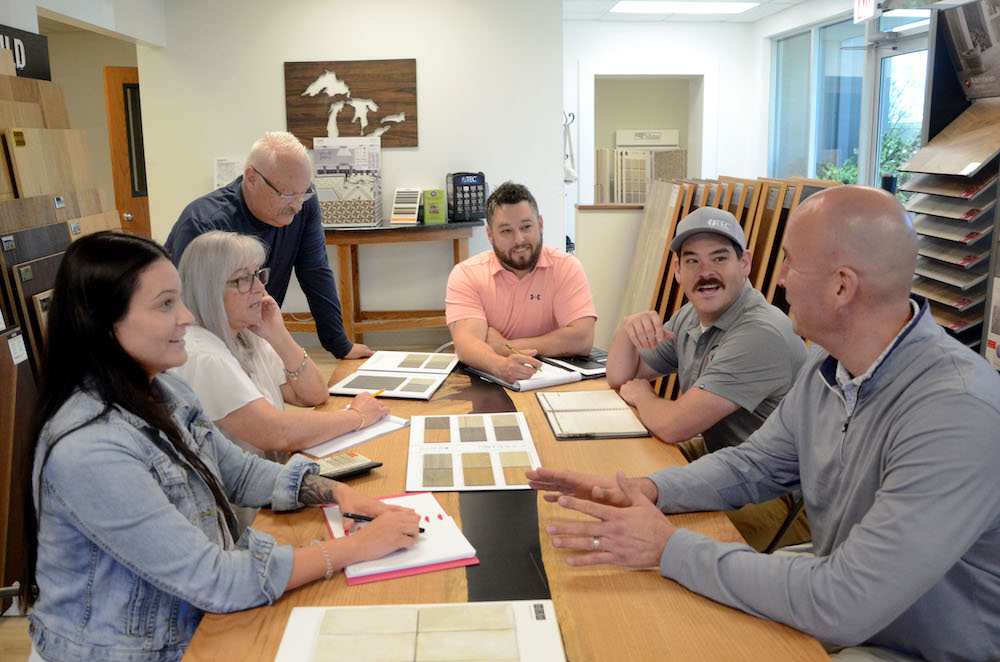
Wayne Roberts, a citizen of the Sault Ste. Marie Tribe of Chippewa Indians, had been installing commercial flooring for 35 years when he had the opportunity to start his own flooring business in 2015.
- Details
- By Leidos
- Sponsored Storytelling
- Type: Default
- Paywall Status: Free
- Reader Survey Question: No Question
DOE released a draft Environmental Impact Statement (EIS) evaluating the potential impacts of the Department’s proposed action to acquire high-assay low-enriched uranium (HALEU) for commercial nuclear energy use and demonstration projects and to establish domestic commercial HALEU production. DOE is hosting two virtual and one in-person Tribal-only listening sessions to explain the process used to analyze the proposed action and alternatives and seek oral comments and feedback from Tribes on the draft EIS.
- Details
- By IITIO
- Sponsored Storytelling
- Type: Default
- Paywall Status: Free
- Reader Survey Question: No Question
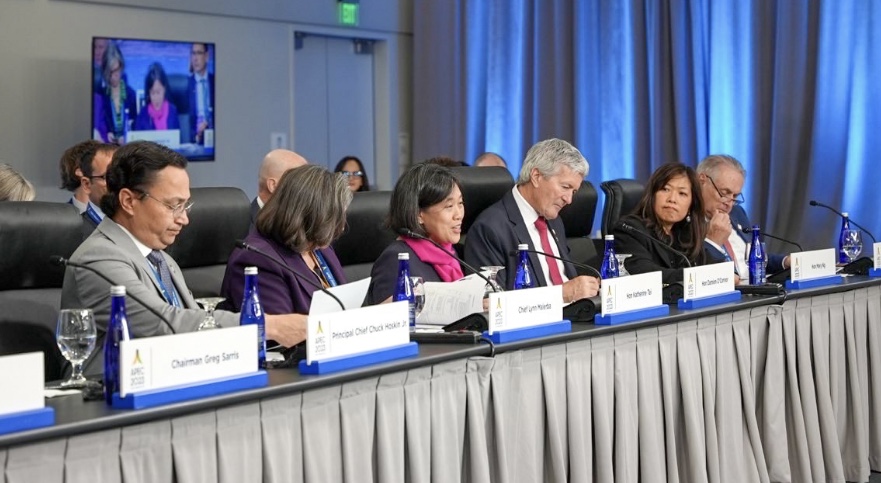
IITIO, Inc. is pleased to continue our online series on Indigenous Law and Policy. This April, listen in as the exciting discussion of the US 2022-2026 Strategic Plan for Native American trade continues. Hear about Native American international trade opportunities and initiatives developing alongside the new Made in America Tribal Trade Policy. Register today for our next event, and read about it below.
- Details
- By Tribal Business Marketing
- Sponsored Storytelling
- Type: Default
- Paywall Status: Free
- Reader Survey Question: No Question
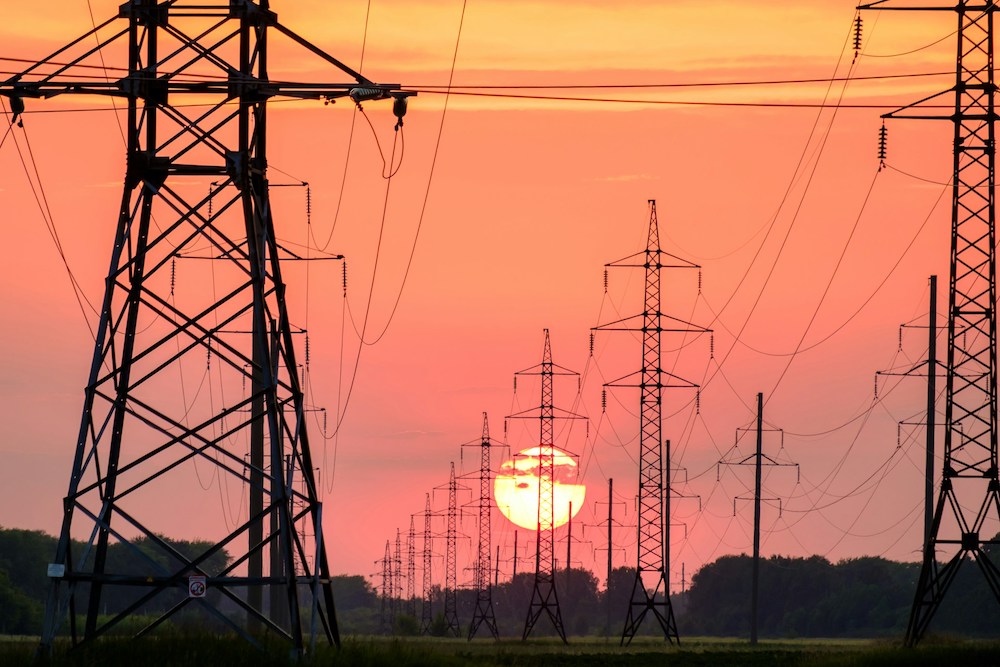
For decades, the cost of electricity for tribal facilities, homes and casinos has been steadily rising, even though the underlying cost of wholesale power hasn't changed much.