- Details
- By Chez Oxendine
- Energy | Environment
In late February, the U.S. Department of the Interior finalized changes to how it implements the National Environmental Policy Act (NEPA), shifting 80% of existing regulations into an “internal handbook” that provides guidance rather than binding rules.
The move has raised concerns among tribal advocates who say the change could limit tribes’ ability to influence federal decisions affecting their lands and cultural resources.
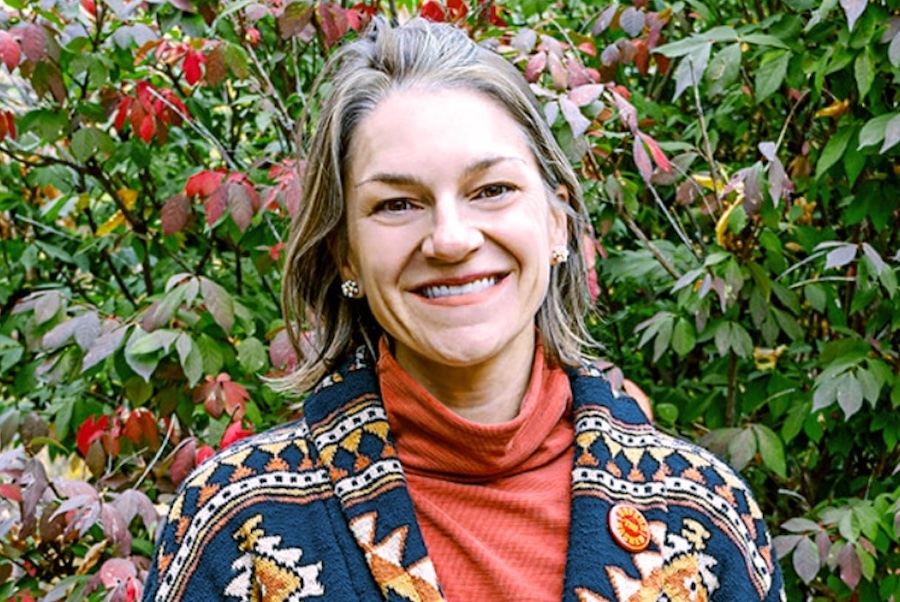
Ada Montague, a senior staff attorney at the Native American Rights Fund (NARF), said the shift could weaken tribes’ ability to provide input on federal projects that may affect their sovereign homelands. She has worked primarily with tribes in California on NEPA, but said the concerns she describes could be echoed elsewhere in Indian Country.
She said moving from enforceable regulations to internal agency guidance could narrow the scope of environmental review and reduce opportunities for tribal governments to shape decisions affecting their territories.
“NEPA is more than just red tape,” Montague told Tribal Business News. “It is a legal tool that forces the United States to acknowledge ancestral lands as living cultural landscapes, and it provides important opportunities for consultation and input from tribal governments in helping form the decisions that are impacting the land.”
Montague spoke with Tribal Business News about the regulatory changes and their potential implications for tribal consultation and environmental review.
This conversation has been edited for clarity and brevity.
What could the rollback of these NEPA regulations mean for tribes?
Rolling back these protections cuts ties that protect both tribal history and future public health.
My main experience with this topic has been working with tribes in California, but I imagine much of this would be echoed elsewhere. In that area, the rollbacks narrow the scope of cumulative impact, allowing agencies to ignore how a new project adds to decades of drought and over‑pumping. That can threaten the long‑term survival of tribal nations that depend on those resources for their way of life.
There are also risks in how thinning or restoration is done. Heavy machinery could impact sacred sites that haven’t been officially mapped. And in places like the San Joaquin Valley, weakening air‑quality requirements could disproportionately burden communities that don’t have as strong a voice.
How do those concerns appear in places like California?
It’s difficult to point to specific cases, but in the San Joaquin Valley, which is an ecologically closed basin, the rollbacks narrow the scope of cumulative impact. Agencies can ignore how new projects add to decades of drought and over‑pumping, and that threatens the long‑term survival of tribal nations.
Altogether, the shorter timelines, narrower scope, increased exclusions and the use of internal handbooks limit the ability of tribes to have their sovereign rights recognized by their fiduciary trustee, the United States.
Do these changes make it harder for tribes to challenge or influence federal decisions?
When you match the regulatory rollback Congress is doing against the discretionary rollback the Supreme Court has done [through the Chevron decision,] you find a very large black hole. It’s not clear what agencies can decide, what authority they have, or what the courts will uphold.
On one hand, the courts are saying agencies don’t have deference. There’s a sense that agencies have been playing fast and loose with their interpretation and making things harder than they should be, and that could be reigned in.
On the other hand, internal handbooks are taking over for what had been clearer processes. Tribal consultation is already a difficult area — knowing how to get it started, who to talk to, when and how often to do it in a meaningful way — and this makes it even more convoluted.
Could shorter timelines worsen existing capacity challenges for tribes?
It seems likely. It’s already a difficult process, and it’s already hard to get the voices heard that need to be part of these decisions. These rollbacks will make it even more so.
There’s also the issue between federally recognized and non‑federally recognized tribes. In California, there’s a real distinction in how those tribes are able to engage. That again points to the difficulty of getting important perspectives included in these decision‑making processes.
There are capacity issues, funding issues, regulatory issues and oversight issues. The rollbacks answer one set of concerns — that red tape makes it harder to do things on the landscape — but they may not balance that with other concerns that are equally legitimate.
Some policymakers say the changes would speed projects and reduce costs. Do you see any potential benefits?
The proof will be in the pudding. The stripping down of this regulatory regime presents challenges that one side is pointing out, and it does present some opportunities that the other side is pointing out. Balancing those will be the challenge of the next chapter.
The Trump administration has talked about how rolling back NEPA will be financially advantageous and allow things to move forward that have faced roadblocks. But it’s a definite negative to have less clarity around what agencies can do, what authority they have, and what tribes can expect in terms of their fiduciary and sovereign rights.
We all want clean water, clean air and soil that can produce healthy foods. To do that, we have to take into account all of our neighbors’ perspectives, and that certainly includes the sovereign perspectives of tribal nations. In some ways, that voice might be the most important one to take into account, given the long history of relationship with the land, water and air.
Any other thoughts?
There are opportunities and challenges presented by this rollback. I think it’s really important that we continue to elevate and promote First Nations and tribal nations’ perspectives, whether they’re federally recognized or not, so we can learn from the best wisdom we can in moving forward with all the challenges we face as a collective society.