- Details
- By Chez Oxendine
- Energy | Environment
An intertribal commission and its member tribes have completed an agreement with the Department of Agriculture intended to strengthen land stewardship, habitat protection and coordinated resource management across a large region of western and interior Alaska.
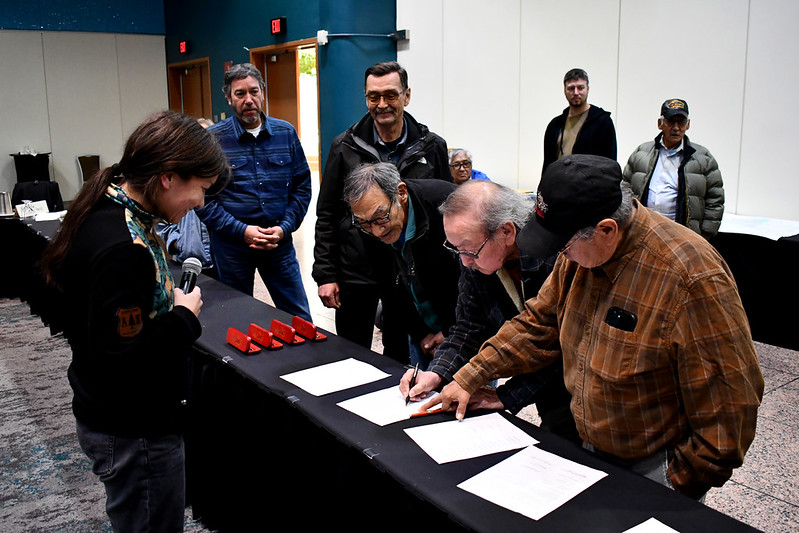
Member tribes of the Bering Sea Interior Tribal Commission signed the agreement on Oct. 1 in Anchorage, establishing the Bering Sea Interior Conservation District. USDA’s Natural Resources Conservation Service had signed the agreement May 27. The partnership includes 25 tribes across Alaska’s Yukon, Kuskokwim and Bering Sea regions, according to The Pew Charitable Trusts.
A tribal conservation district is a chartered entity that works with USDA to help tribes develop conservation plans, set local priorities and partner with federal agencies on habitat protection and climate resilience. In a press release, federal officials said the arrangement will help participating tribes and USDA expand technical support, improve coordination and establish long‑term stewardship across a landscape facing rapid ecological change.
Frank Katchatag, chair of the Bering Sea Interior Tribal Commission, said the district formalizes years of work by tribal leaders seeking a stronger role in managing local lands and waters.
“This is a historic moment for our region,” Katchatag said. “It brings tribes together to protect our lands, waters, and wildlife in a way that reflects our values and our knowledge.”
The district covers an area where climate impacts, habitat loss and resource pressures have reshaped daily life. Tribal leaders have described steep declines in salmon runs, limited subsistence access, and growing pressure from outside hunters. Tribal concerns include fishing restrictions and trespassing during the hunting season, according to Nutalo Tribe councilmember Mickey Stickman.
Stickman said seven years of restrictions on salmon fishing have disrupted a main source of subsistence food for his community, leaving whitefish as the only fish residents are allowed to catch.
“There’s just no fish to catch. There’s no fishing allowed unless you’re going to catch whitefish,” he said.”
He said plans under the new agreement include establishing land guardians in each village to support stewardship and monitoring.
“One thing we want is more land protection,” he said. “Outsiders come in and they don’t know, and the only way we can signal is by posting our land.”
Steve Marx, who oversees Indigenous-led conservations in Alaska for Philadelphia-based Pew Charitable Trusts, wrote in an Oct. 5 article that the new district is the largest in Alaska and reflects a shift toward tribal‑led stewardship. He said the district will help safeguard salmon spawning and rearing habitat, protect wildlife corridors, and support climate resilience.
Marx said the arrangement aims to strengthen tribal leadership in conservation planning and makes the district eligible for funding through USDA conservation programs and other federal resources.
“Co‑stewardship of critical watersheds is central to this district,” Marx wrote. “It empowers tribes’ leadership and voice in local conservation needs and supports resource management plans that reflect community priorities.”
Agency officials said the agreement provides a framework for sustainable use of natural resources for subsistence, economic opportunity and cultural preservation.
“This is a step in the right direction,” Stickman said. “We need to be heard, and I think we’re going to be heard.”