- Details
- By Brian Edwards
- Health Care
The Indian Health Service is providing $15.3 million for eight staff housing projects as tribes and Native health organizations use employee housing to recruit and retain health care workers.
The awards range from $757,000 to $3.65 million through IHS’ Healthcare Facilities Construction Funds Quarters Program. IHS received 22 applications from six areas and selected eight based on housing needs, remoteness, cost, readiness and the ability to support essential staffing.
Housing has become part of IHS’ effort to address workforce shortages, particularly in remote communities. The agency said last year that job vacancy rates across IHS facilities exceeded 30%. At the Crow/Northern Cheyenne Hospital in Montana, where IHS opened new employee housing last year, the vacancy rate was 47%.
The Winnebago Comprehensive Healthcare System in Nebraska received $977,000 to build a fourplex of one-bedroom units for employees. WCHS said its workforce has grown from about 199 employees to 349 as it has expanded services. The project will be developed with the Winnebago Tribe of Nebraska and Ho-Chunk Inc., the tribe’s economic development corporation, through BluStone Homes.
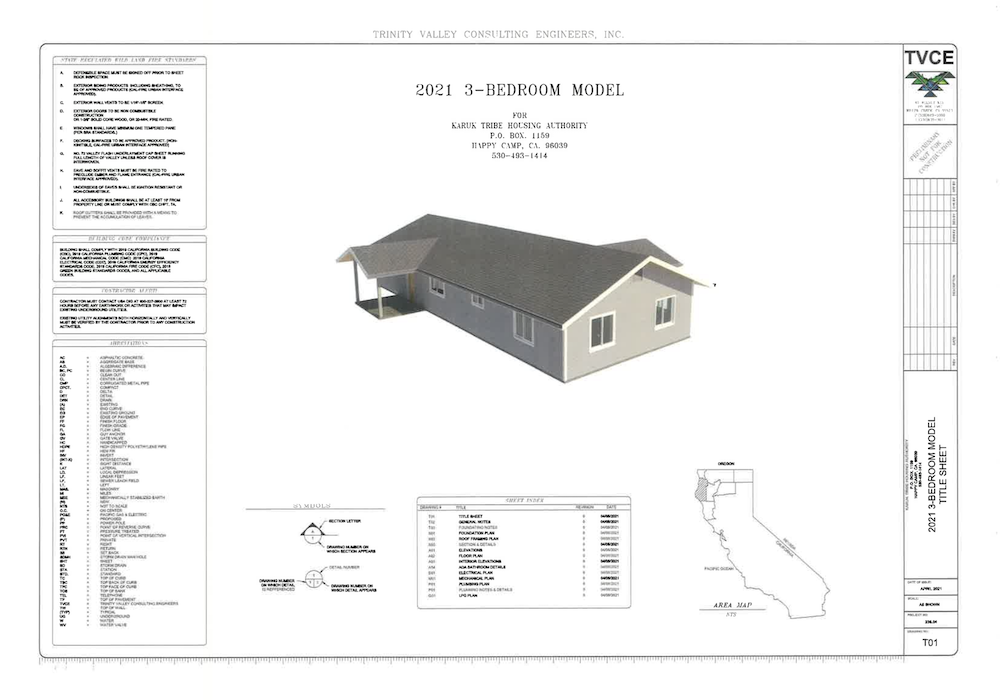
The Karuk Tribe in California received $1.505 million to construct three three-bedroom, single-family homes for health care professionals and other essential workers. The homes will be part of a larger workforce housing development already underway. The tribe, which announced the award in June, said limited housing is a significant obstacle to recruiting and retaining health care workers in rural tribal communities.
Other awards include $3.65 million for the Hoopa Valley Tribe, $3 million for Southeast Alaska Regional Health Consortium and $2.39 million for the Santee Sioux Nation.
Congress appropriated $13.575 million for the Healthcare Facilities Construction Funds Quarters Program for fiscal 2026. Combined with unused funding carried over from prior years, IHS had $15.331 million available for the eight projects.
The 2026 funding also requires the projects to reduce environmental impacts and incorporate renewable energy, green infrastructure and modern energy-efficiency standards, according to IHS.