- Details
- By Chez Oxendine
- Real Estate
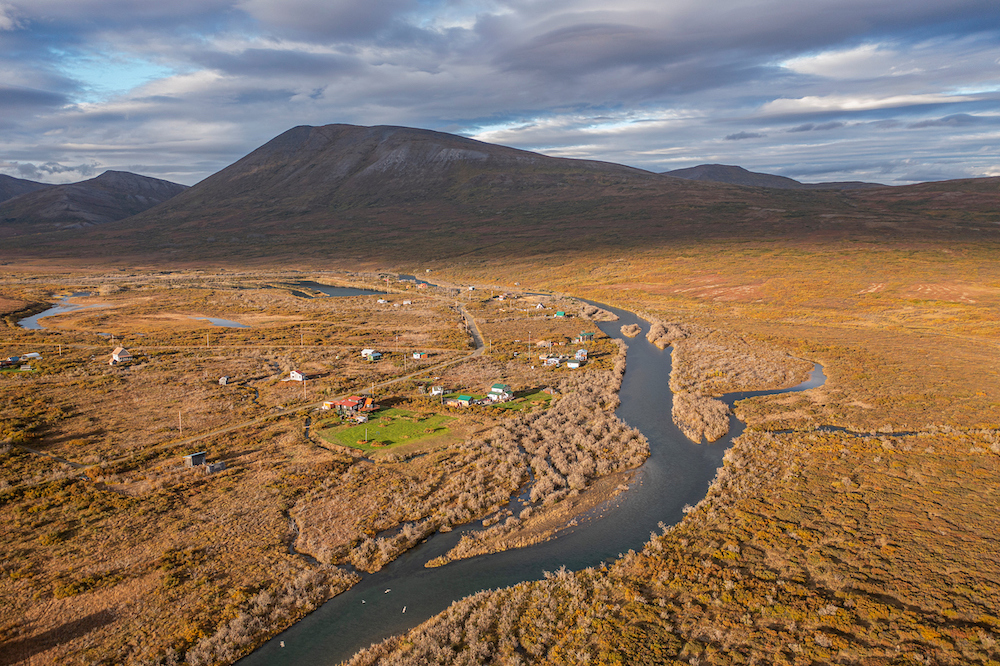
Sitnasuak Native Corporation has secured permanent protection for 14 miles of the Nome River, bringing 1,700 acres under conservation and restoring public access to a corridor long fragmented by private ownership dating to Alaska’s gold rush era.
The land, which had remained in private hands for more than a century, will be managed as part of Sitnasuak’s existing land base under a conservation easement held by the Interior Alaska Land Trust.
The acquisition reconnects a key section of the Nome River watershed and expands access for subsistence fishing, hunting and gathering in a region where Alaska Native residents make up at least half the population, according to The Conservation Fund.
“Adding this area to our SNC Land assets ensures it will be protected in perpetuity for future generations of our Alaska Native people,” said Charles Fagerstrom, SNC CEO.
The Nome River supports more than 1 million spawning salmon annually and provides habitat for migratory birds, muskox, moose, beavers and bears.
Access to portions of the river had been restricted for decades because of a patchwork of private holdings established during the 1899 gold rush, when more than 20,000 prospectors transformed Nome into Alaska’s largest city.
The Conservation Fund purchased the property and transferred it to Sitnasuak as the long‑term steward. Conservation groups say the arrangement aligns ecological protection with community priorities and ensures the land remains accessible for fishing, hunting and gathering.
“Sitnasuak and its shareholders are the best possible stewards of the river and surrounding lands,” John Wros, Alaska state director at The Conservation Fund, said in a statement. “The Nome River is gin-clear and free-flowing from its headwaters to Norton Sound.”
The acquisition comes as Nome continues to expand its role as an Arctic shipping hub, bringing new development pressure across the region. Sitnasuak and the Conservation Fund said the partnership demonstrates how conservation and economic development can advance alongside one another in western Alaska.